21 Spring polka dot nails That Look Expensive and Feel Totally Fresh in 2026

Spring polka dot nails never fully disappear from nail trends, they just quietly reinvent themselves. In spring 2026, the dot has become a deliberate design decision fewer scattered confetti patterns, more intentional single placements, tonal pairings, and contrast-finish combinations that read expensive rather than crafty.
The shift is visible in salon work: fewer rainbow confetti explosions, more considered placement, tighter color pairings, and thoughtful finish choices. If you’ve hesitated over Spring polka dot nails dot nails because past versions felt too cutesy or costume-y, this season’s take might change your mind.
These 21 Spring polka dot nails dot nail ideas range from ultra-minimal to maximalist, covering different shapes, finishes, and color moods so you can find exactly what works for your lifestyle, nail length, and skill level.
Classic Dots Done Right
These are the foundation styles timeless, versatile, and consistently salon-ready.
See More About : 53 Brown French Tip Nails That Look Expensive Without Trying
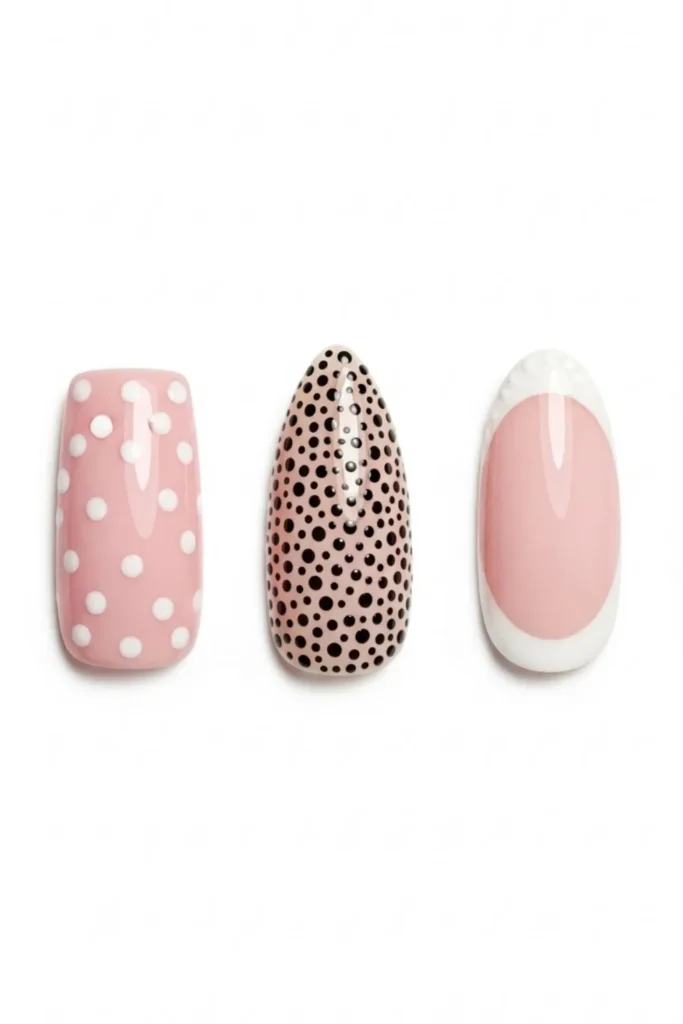
1. White Dots on Soft Pink Base
The most wearable version of Spring polka dot nails dot nails. Soft blush or ballet pink underneath keeps the look romantic without veering retro. Works best with uniform dot sizing for a cleaner, more intentional finish.
2. Black Micro-Dots on Nude
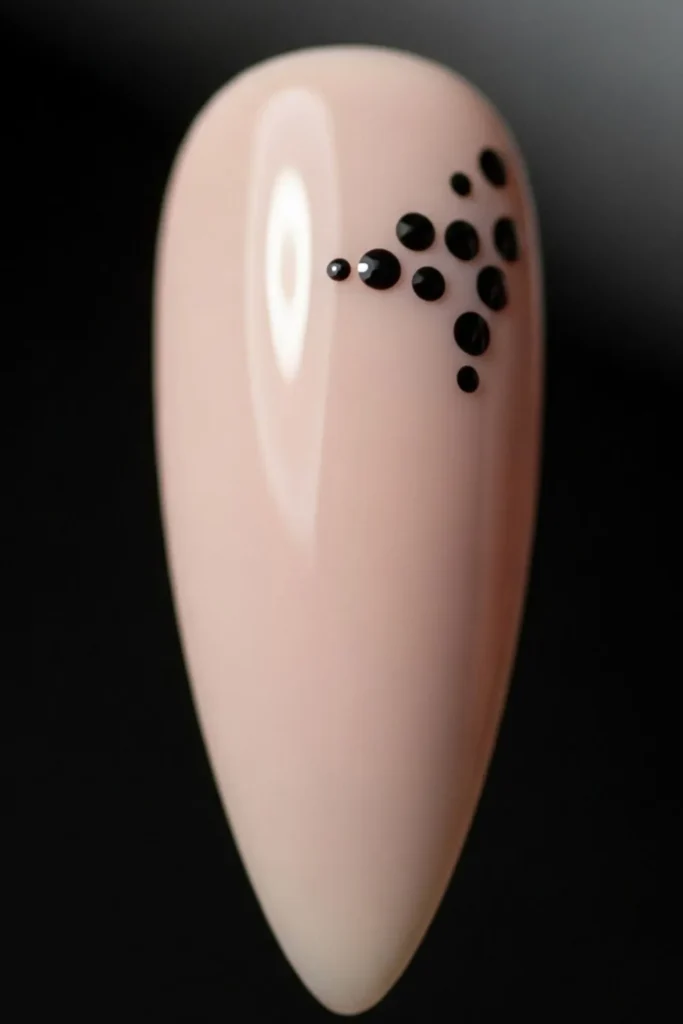
Tiny black dots on a warm nude base create a quiet, editorial feel. This combination reads as modern when dots are placed asymmetrically or clustered toward the tip rather than evenly spaced across the nail.
3. French Tip with Dot Border
Instead of a solid white tip, replace or line it with a row of evenly spaced dots. It’s a smarter update to the classic French that photographs beautifully and translates well across short and medium nail lengths.
4. Tonal Dot-on-Dot
Choose two shades from the same color family dusty rose and deep mauve, for example and apply dots over a matching base. The dimensional effect is subtle but makes the design feel more polished than a flat, single-color approach.
5. Single Accent Dot Nail
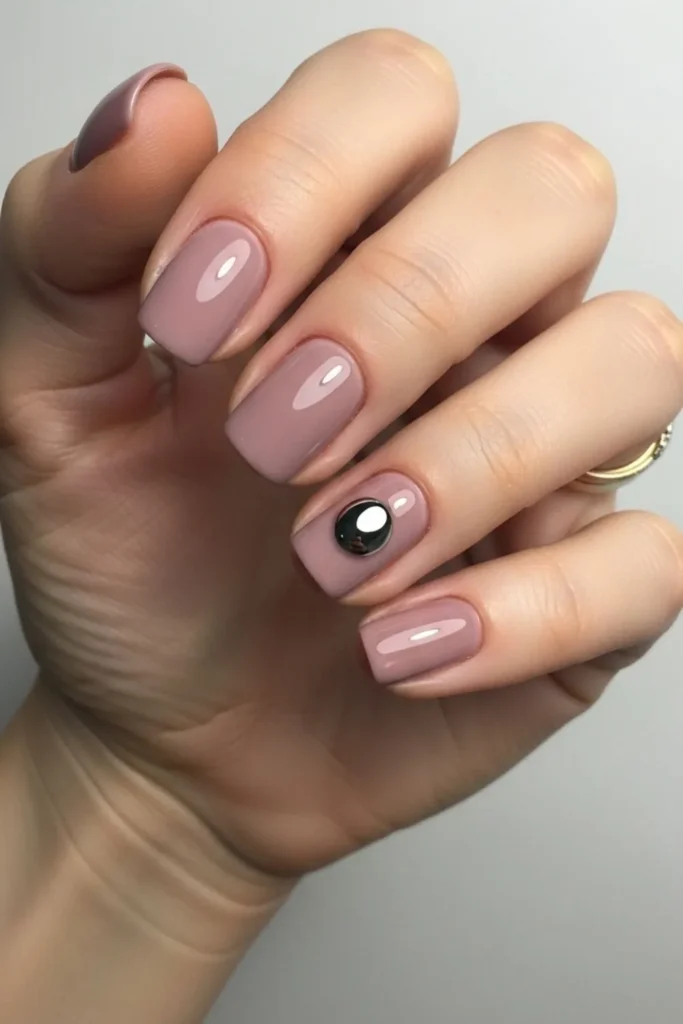
Paint all nails in one solid color and add Spring polka dot nails dot nails to just the ring finger. It’s a low-risk entry point that still reads as intentional, and it’s a smart way to test the trend before committing fully.
6. Scattered Asymmetric Dots
No grid, no symmetry just dots placed freely across the nail with slight size variation. The organic placement feels effortless and avoids the dated look that perfectly spaced rows often create.
These six styles work for almost any setting, from casual spring outings to professional environments. They tend to fall flat when the base color is too saturated or the dots are oversized both push the look toward novelty territory rather than style.
What makes a polka dot nail look expensive (not costume-y)
The difference between a polka dot nail that reads as intentional and one that reads as crafty comes down to four decisions made before you even pick up a dotting tool.
Proportion relative to nail width. The dot diameter should never exceed 20–25% of your nail’s widest point. On a standard medium oval nail, that’s roughly 3–4mm. Any larger and the dot becomes a focal point instead of a design element, which tips the look toward novelty.
Color distance between base and dot. High contrast (white dot on hot pink) is the fastest route to a retro, costume-y result. The looks that read expensive in 2026 use low-to-medium contrast cream on blush, dusty lilac on lavender, gold on taupe. The eye registers the pattern without being startled by it.
Finish relationship. A flat dot on a flat base is boring. A flat dot on a matte base reads more polished even with zero color change. Finish contrast gloss on matte, chrome on satin is the single biggest upgrade available without changing the design at all.
Placement logic. Evenly spaced rows in a grid pattern is the most dated version of this design. Asymmetric placement, dot clusters anchored near the cuticle or tip, or a single oversized accent dot on one nail all signal that a decision was made and intentionality is what the expensive nail aesthetic is actually built on.
Color-Forward Spring Picks
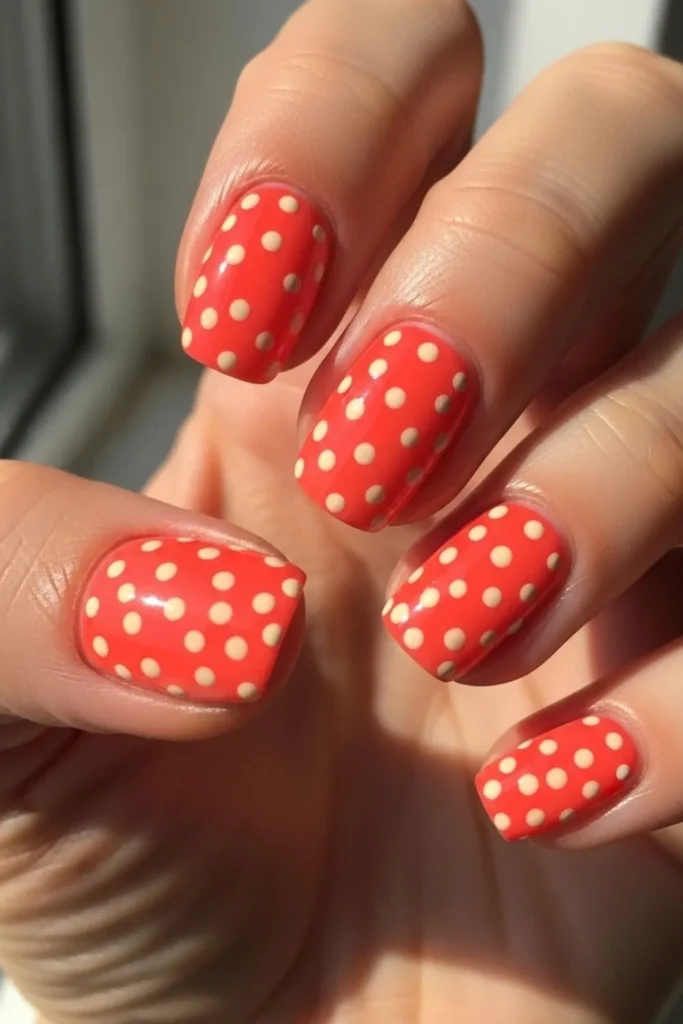
Spring’s real strength is color. These combinations lean into the season while keeping the palette intentional.
7. Lavender Base with White Spring polka dot nails
Lavender with white dot accents is consistently among the top-searched spring nail combinations heading into 2026, soft enough for the office, distinct enough to photograph beautifully. Lavender has enough softness to stay feminine without feeling overused, and white dots add contrast without harshness.
See More About : 52 Black French Tip Nails Ideas That Look Expensive in 2026
8. Mint Green with Gold Foil Spring polka dot nails
Mint provides the fresh, seasonal base while gold foil dots applied with a dotting tool over dry polish bring a luxe quality that elevates the look significantly. Best suited for medium to long nail lengths where the dots have room to register.
9. Coral Base with Cream Spring polka dot nails

A warm-toned option that photographs well in natural light. Cream softens the coral without disappearing into it, making the dots clearly visible without creating harsh contrast. Great for spring events and outdoor settings.
10. Butter Yellow with Pastel Multicolor Dots
The most playful of these color picks, but it stays wearable when the multicolor dots remain strictly pastel. Neons or primary colors tip it into children’s territory; soft pastels keep it stylish and seasonal.
11. Sky Blue with Tiny White Dots
Clean, graphic, and one of the most versatile spring nail combinations. Proportion is everything here: micro-dots on sky blue read as deliberately designed, while oversized dots push the look into children’s craft territory. Works especially well on short square and medium almond shapes.
12. Lilac Ombre with Scattered Dots
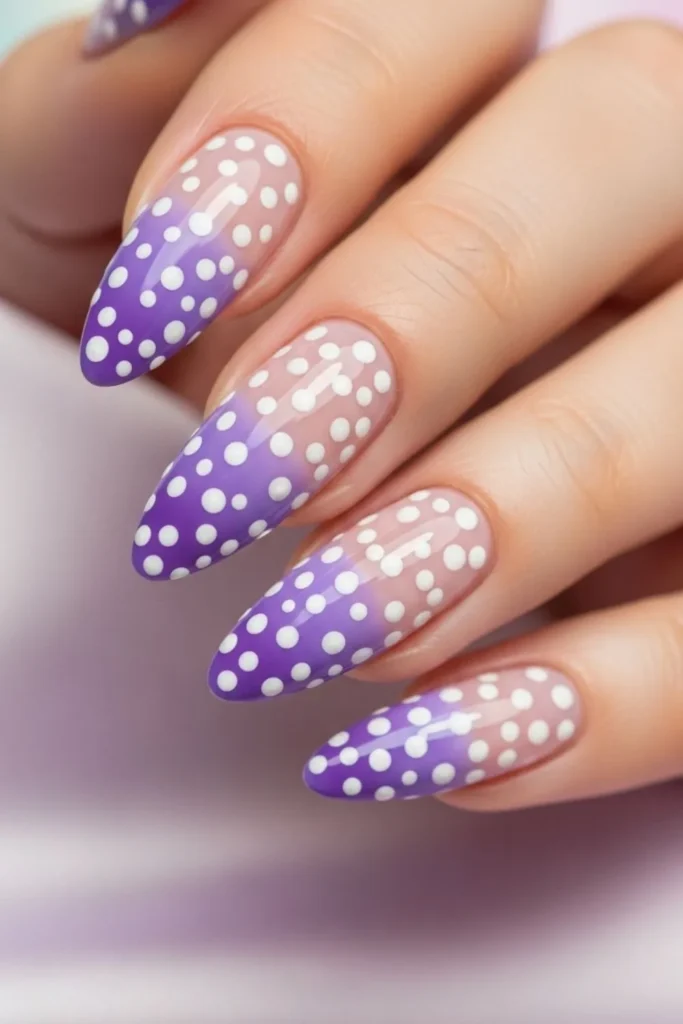
An ombre base fading from lilac to cream or white, with scattered white or silver dots layered on top, creates a dreamy cloud-like effect. It takes more technique to execute, but the result reads as custom and high-effort.
Who this is best for: Anyone who wants Spring polka dot nails to feel current and color-forward rather than nostalgic. Who should skip this: Those in conservative professional environments where color-forward nails may not align with the dress code.
Tools you actually need (and what to skip)
Most “tools” articles in this niche recommend six things. You need two.
A dotting tool with dual ends. One end around 1.5mm for micro-dots, one around 3mm for standard sizing. The Makartt double-ended dotting tool is the most consistently recommended at the entry level; Dot Tool Pro handles the same range with slightly more control. Either works. Price range: $4–$12.
A thin-tipped nail art brush (size 10/0 or 00). This handles cleanup, dot shaping when the dotting tool bleeds, and the French-tip-with-dot-border style from design #3. Any brand works; the size matters more than the brand.
What you don’t need: stamping plates (wrong tool for freehand dots), nail art pens (inconsistent dot sizing, harder to control than a dotting tool), and rhinestone pushers (unrelated to this design category entirely).
If you’re working with gel: You’ll need a UV or LED lamp, a builder gel that holds its shape when dotted, and a fine-tip nail art brush for cleanup before curing. The gel dot technique in design #15 specifically requires a gel that doesn’t self-level, OPI GelColor and Gel-II both work here; thinner salon gels will flatten.
The bobby pin shortcut is real, the blunt end of a standard bobby pin produces a consistent 2mm dot that works cleanly for most classic designs. Rinse between dots to avoid dragging color.
Textured and Finish Variations
The finish is often what separates an average Spring polka dot nails dot nail from one that actually looks expensive.
13. Matte Base with Glossy Spring polka dot nails
Apply a matte topcoat to the entire nail, then paint glossy dots on top. The contrast between the two finishes creates a high-design, dimensional effect without requiring extra colors or specialty tools.
14. Chrome Dot Accents on Neutral Base
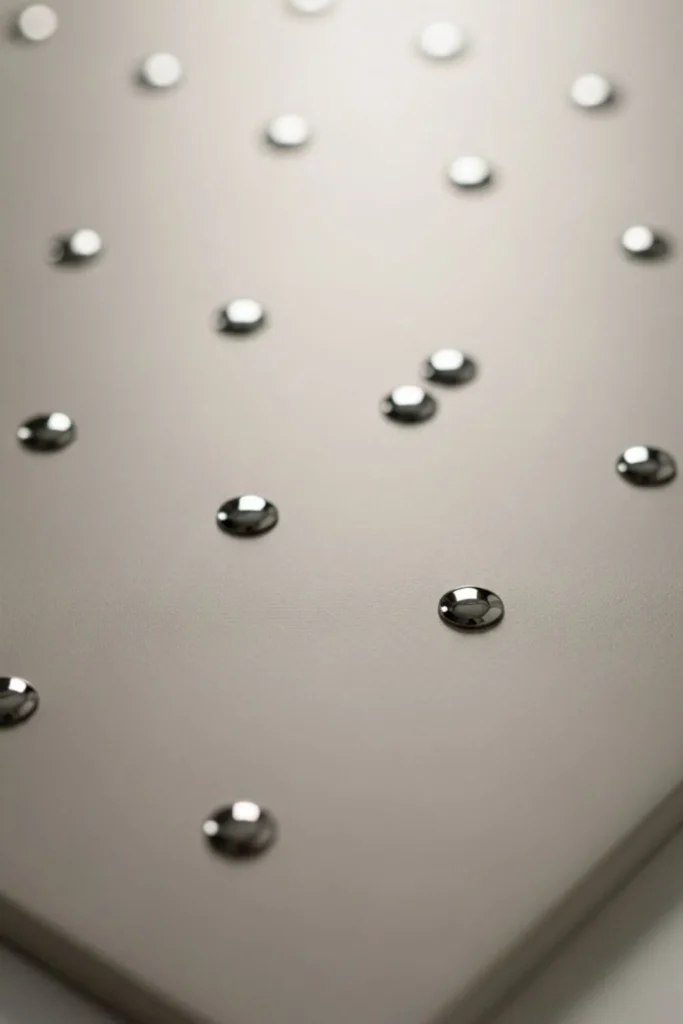
Apply chrome powder mirror or rose gold to tiny dots only, leaving the base in a clean neutral. The reflective dots catch light and create movement without overwhelming the design.
15. Gel Dots with 3D Raised Texture
Builder gel or nail art gel allows dots to be shaped above the nail surface. The tactile quality adds a dimension flat polish can’t replicate, and gel holds the shape cleanly over time without flattening.
See More About : 23 Spring Chrome Nails That Look Expensive Without the Salon Price Tag
16. Glitter Dot on Sheer Base
A sheer or jelly base with a single glitter dot per nail or a small cluster near the cuticle reads as effortless and festive without overdoing it. Works especially well for spring brunches and outdoor events.
17. Velvet Matte Finish with Pearl Dots
A flock or velvet finish combined with small pearl-effect dots creates one of the more unexpected textures in current nail art. It’s tactile, genuinely photo-worthy, and distinctive enough to stand out without feeling overdone.
18. Negative Space Spring polka dot nails
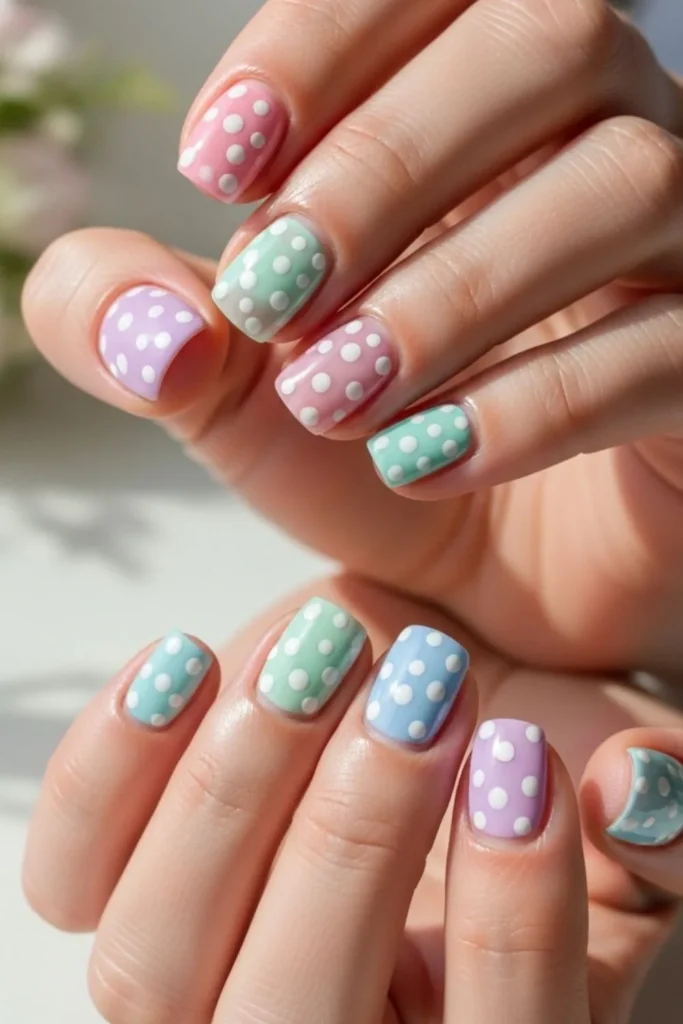
Instead of adding dots in a contrasting color, leave circles of bare or nude nail visible within a colored base. The result is clean, graphic, and modern and easier to execute than it looks when done with round nail stickers.
Who this is best for: Nail art enthusiasts or salon clients open to technique-driven designs. Who should skip this: DIY beginners most of these finishes require specific products and tools to execute cleanly.
How to get the dot size right for your nail length
Proportion is the most common reason polka dot nails fail and it’s almost never discussed with actual numbers.
Short nails (under 5mm free edge): Keep dots at or under 2mm. One row of micro-dots near the tip or cuticle line is the maximum complexity this canvas supports cleanly. Multiple rows on short nails create visual crowding that makes the nail look smaller, not more detailed.
Medium nails (5–10mm free edge): The most flexible range. Dots between 2–4mm work depending on the design. Full-coverage scattered dot designs (like #6) are viable here; clustered placements near one edge give the illusion of added length if that’s a concern.
Long nails (10mm+ free edge): The canvas supports oversized dots, but this is where placement becomes critical. A single large dot on the center of a long coffin nail reads as bold and deliberate. Multiple large dots compete with the nail shape itself, the shape is part of the design on longer lengths and shouldn’t be visually crowded.
Almond and stiletto shapes: The taper draws the eye toward the tip. Place dots in the lower two-thirds of the nail cuticle area or mid-nail to balance the visual weight. Tip-heavy dot placements on tapered nails look accidental.
Spring polka dot nails: salon vs. DIY — honest breakdown
Not every design in this guide is realistic for home execution, and no article that claims otherwise is being straight with you.
Reliably DIY-able (skill level: beginner to intermediate) Designs #1, #2, #4, #6, #9, #10, #11, #16 all classic and color-forward styles using standard nail polish. With a dotting tool, clean edges, and thin coats of polish, these are achievable in a first sitting. The most common mistake is applying dots before the base coat is fully dry; even 10 minutes of drying time between coats prevents 80% of smearing issues.
DIY-able with practice (skill level: intermediate) Designs #3 (French-tip dot border), #8 (gold foil dots), #12 (ombre base), #18 (negative space). These require either a steady hand for precision placement or a technique that takes a few tries to get consistent. Gold foil dots specifically require that the base coat is tacky but not wet — timing matters.
Salon-recommended (skill level: professional tools required) Designs #13 (matte/gloss contrast requires quality matte topcoat applied cleanly), #14 (chrome powder application), #15 (3D gel dots), #17 (velvet finish). The products needed for these chrome powder, builder gel, flock powder are available for home purchase, but the application technique requires practice that most home attempts don’t account for. If these are the designs you’re drawn to, a single gel manicure appointment is likely more cost-effective than the learning curve.
Cost benchmark: A salon polka dot gel manicure with accent nail design typically runs $55–$85 in most US markets in 2026, depending on complexity. A complete DIY setup covering the beginner-to-intermediate range costs approximately $30–$45 in tools and polish and pays for itself after two or three uses.
Nail Shape Pairings That Actually Matter
Shape changes everything with Spring polka dot nails dot nails. The same design looks completely different depending on the nail’s silhouette.
19. Micro-Dots on Short Square Nails
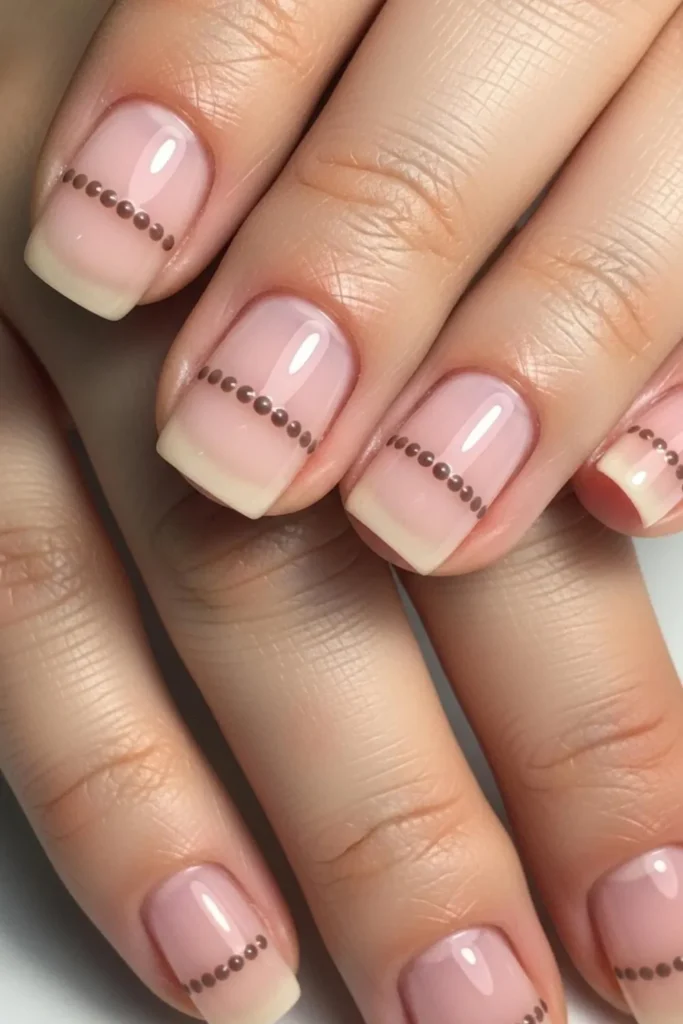
Limited canvas space makes small, precise dots essential here. A neutral base with micro-dots near the tip gives the illusion of a longer, more refined nail.
20. Oversized Single Dot on Almond Nails
Almond nails have the length and taper to support one bold, centered dot on an accent nail. Paired with a complementary solid on the remaining nails, the look is graphic and intentional.
21. Dot Clusters at the Cuticle Line on Coffin Nails
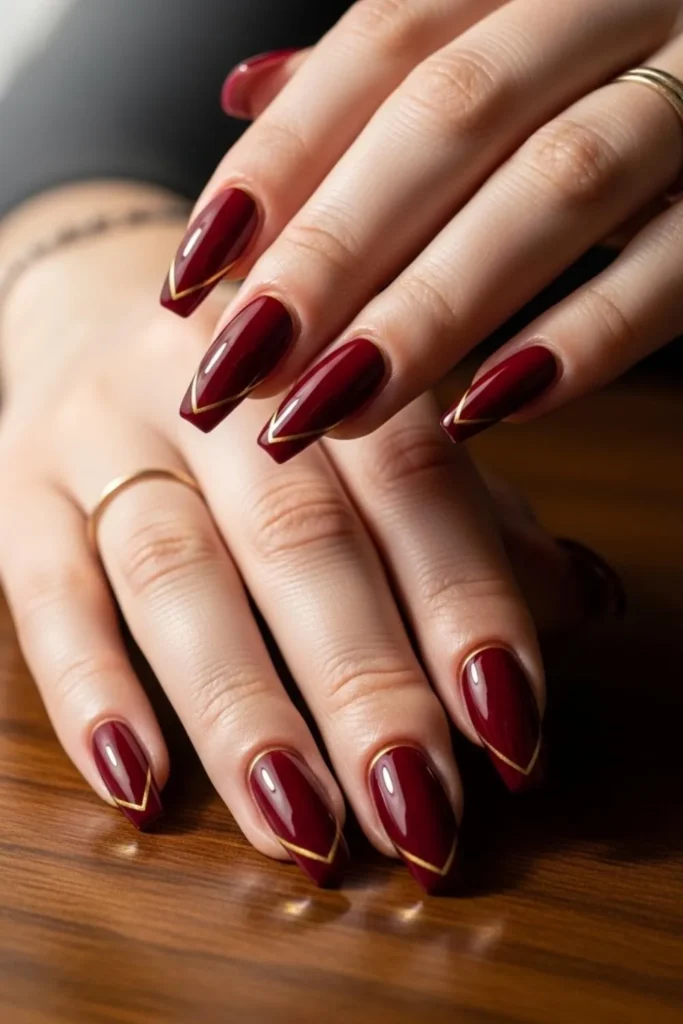
Coffin nails offer enough surface area to place dot groupings at the cuticle while leaving the rest clean. This bottom-heavy placement draws attention to nail length in a flattering way.
See More About : 26 Lavender Spring Nails That Feel Fresh, Soft, and Totally Wearable in 2026
FAQ‘s
Can you do spring polka dot nails at home?
Yes, and most of the designs in this guide are specifically suited to it. A dotting tool or the blunt end of a bobby pin handles the majority of classic and color-forward looks cleanly. The exceptions are 3D gel dots, chrome accents, and velvet finishes those require salon-specific tools and technique. Everything else is beginner to intermediate friendly with standard nail polish and a steady hand.
What is the best base color for spring polka dot nails?
Low-to-medium contrast pairings look the most polished. Soft neutrals blush, warm nude, ivory work with almost any dot color. Lavender with white dots and mint with gold are the two strongest seasonal combinations for spring 2026. Avoid saturated bright as base colors; they raise the contrast ceiling and push the look toward novelty rather than refinement.
How do you keep dots from smearing?
Let your base coat dry for a minimum of 10–15 minutes before applying dots, not just until it feels dry to touch. Polish stays soft longer than it feels. Use thin coats on the dots themselves, and wait 5 minutes between the dot application and your topcoat. If dots smear under topcoat, the issue is almost always under-cured dot polish rather than topcoat application pressure.
Do spring polka dot nails work on short nails?
Yes, with sizing adjustments. Micro-dots (2mm or smaller) work cleanly on short nails. Single-row placements near the tip or cuticle look more intentional than full-coverage patterns on a short canvas. The designs that translate best to short lengths are #1 (white on pink), #2 (black micro-dots on nude), and #5 (single accent dot nail).
What’s the difference between a dotting tool and a nail art pen for dots?
A dotting tool deposits a consistent amount of polish in a round shape, which is exactly what you want for uniform dots. Nail art pens use a felt tip that can produce dots but with less consistent sizing and edges that tend to bleed slightly on the nail surface. For polka dot designs specifically, a dotting tool produces cleaner, rounder results. Nail art pens are better suited for line work and detail painting than dot application.
5 mistakes that make polka dot nails look cheap
1. Dots that are too large for the nail width. The most common error and the one most responsible for the costume-y reputation polka dot nails have spent years trying to escape. Keep dots proportional, no wider than about 25% of your nail’s widest point.
2. High-contrast color pairings on a bright base. White dots on candy-red or cobalt blue reads as party supply, not manicure. If your base color is saturated, bring the dot color closer to the base, ivory instead of white, gold instead of yellow.
3. Perfect grid spacing. It sounds like the careful choice but it actually dates the look faster than anything. Rows of evenly spaced dots in a strict grid pattern read as clip art. Asymmetric placement, clustered groupings, or single accent dots on one nail all look more considered.
4. Skipping topcoat or using the wrong one. Dots without topcoat chip faster and lose their edge definition. A matte topcoat over the whole nail with glossy dots sealed underneath produces a finish that looks significantly more expensive than a single gloss coat over everything.
5. Applying dots to wet base polish. This one is pure technique. Dots dragged into wet polish lose their shape, bleed at the edges, and create a muddy contact point. Give your base a genuine 10–15 minute dry time. The patience is the technique.
Key Takeaways
- Tonal dot-on-dot designs using same-family shades look more polished than high-contrast options for everyday wear.
- A matte base with glossy dots creates a high-design finish without requiring extra colors or specialty products.
- Nail shape significantly changes how Spring polka dot nails dot placement reads proportion and sizing should be adjusted per silhouette.
- Micro-dots consistently look more refined than large dots, especially on shorter nail lengths.
- Spring 2026 spring polka dot nails favor intentional placement and finish contrast over full-coverage novelty patterns, the restraint is what makes them look expensive.
Conclusion
Spring polka dot nails have moved well past the retro novelty phase. The strongest versions right now are restrained, finish-conscious, and shaped around real wearability not just pattern for pattern’s sake. Whether you’re drawn to a simple white-dot-on-blush or a textured chrome-dot statement nail, the design decisions that matter most are proportion, placement, and palette.
The 21 ideas here span everything from salon-level technique to DIY-accessible basics, with options for every skill level and aesthetic. Use this as a practical reference the next time you’re planning your spring manicure and don’t underestimate how much a well-chosen finish can elevate even the simplest dot design.