21 Spring Ombre Nails That Look Effortlessly Blended in 2026

Spring Ombre Nails are one of the most searched nail styles of 2026 and for good reason. The soft gradient effect feels effortlessly seasonal, but getting it right comes down to three things: technique, color pairing, and knowing which transitions actually blend on real nails. Whether you’re sponging at home or booking a gel appointment, the right Spring Ombre Nails combination feels fresh without being overdone. This guide covers 21 distinct ideas that blend cleanly, photograph well, and work across every aesthetic from quiet luxury minimalism to bolder botanical statements trending right now.
Why Ombre Works Better in Spring Than Any Other Season

Spring’s natural color palette soft pastels, warm neutrals, botanical greens transitions more seamlessly than the high-contrast shades of other seasons. Ombre thrives on subtlety, and spring tones blur into each other without fighting for dominance.
Works best with intention when: You’re using neon or jewel tones, those gradients need either a single bold anchor color or a chrome finish to land correctly. Forcing two saturated shades into a soft blend usually muddies both. Fails when: You’re trying to force neon or jewel tones into a gradient those need either full commitment or no gradient at all.
See More About : 34 Duck Nail Design Ideas That Actually Look Polished and Modern
The 21 Spring Ombre Nails Ideas
Soft Pastel Gradients (Ideas 1–5)
1. Lavender to White
A vertical fade from a soft lavender base to crisp white at the tip. The transition feels cool and airy, perfect for anyone who wants color without boldness.
2. Blush Pink to Peach
A warm gradient that shifts from dusty rose at the cuticle to a soft peach at the tip. This one photographs with a natural glow and suits warmer skin tones especially well.
3. Baby Blue to Mint
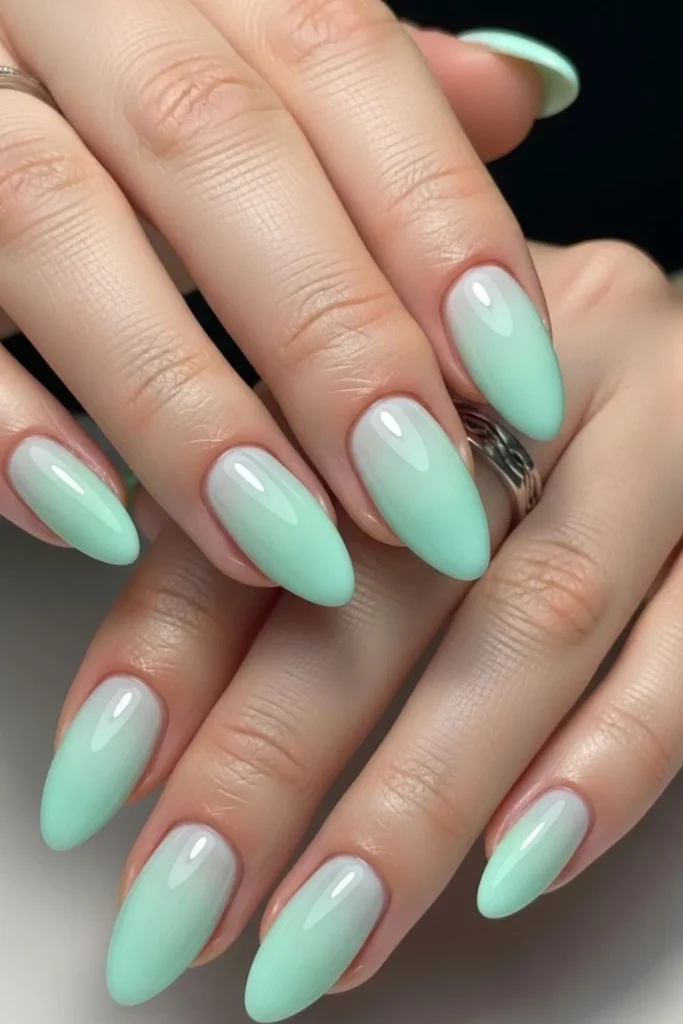
A horizontal gradient moving from pale blue to a barely-there mint. The cool tones feel refreshing and pair cleanly with denim or white linen outfits.
4. Butter Yellow to Cream
A subtle fade from a warm buttery yellow to an off-white cream. This gradient reads as sunshine without being bright or summery in an over-the-top way.
5. Lilac to Nude
Starting with a sheer lilac at the base and fading into a skin-toned nude at the tip. This creates a natural lengthening effect and works beautifully on short nails.
Who this range is best for: Anyone wanting Spring Ombre Nails that feel soft, romantic, and seasonally appropriate without committing to bold color. Who should skip this: If you prefer high-contrast or statement looks these gradients are intentionally understated.
Garden-Inspired Color Transitions (Ideas 6–10)

6. Sage Green to Ivory
A muted sage green fading into warm ivory. This combination taps directly into 2026’s quiet botanicals trend grounded, understated, and unexpectedly sophisticated. Works especially well with a matte topcoat finish.
7. Coral to Apricot
A peachy-coral base transitioning to a lighter apricot shade. This gradient has warmth and energy without reading as tropical or overly bright.
8. Rose to Mauve
A deeper rose pink blending into a cooler mauve tone. The shift from warm to cool adds dimension and sophistication to a simple gradient.
9. Pistachio to Cream
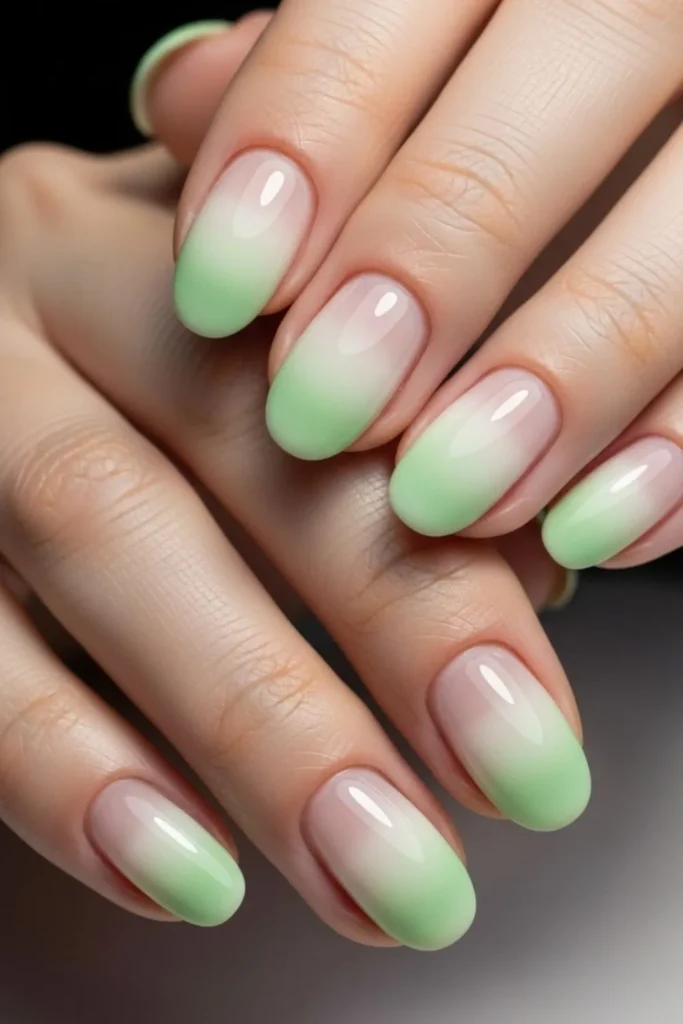
A soft pistachio green fading into a creamy off-white. This works especially well as a horizontal ombre and feels fresh without being too literal about the season.
10. Terracotta to Sand
An earthy terracotta base fading into a sandy beige. This gradient suits those who prefer warm, neutral tones over pastels but still want a spring-appropriate look.
Common mistake: Choosing colors that are too close in tone. If your base and tip color look nearly identical in the bottle, the gradient won’t read as intentional it’ll just look uneven.
Metallic & Shimmer Ombre (Ideas 11–14)
11. Rose Gold to Champagne
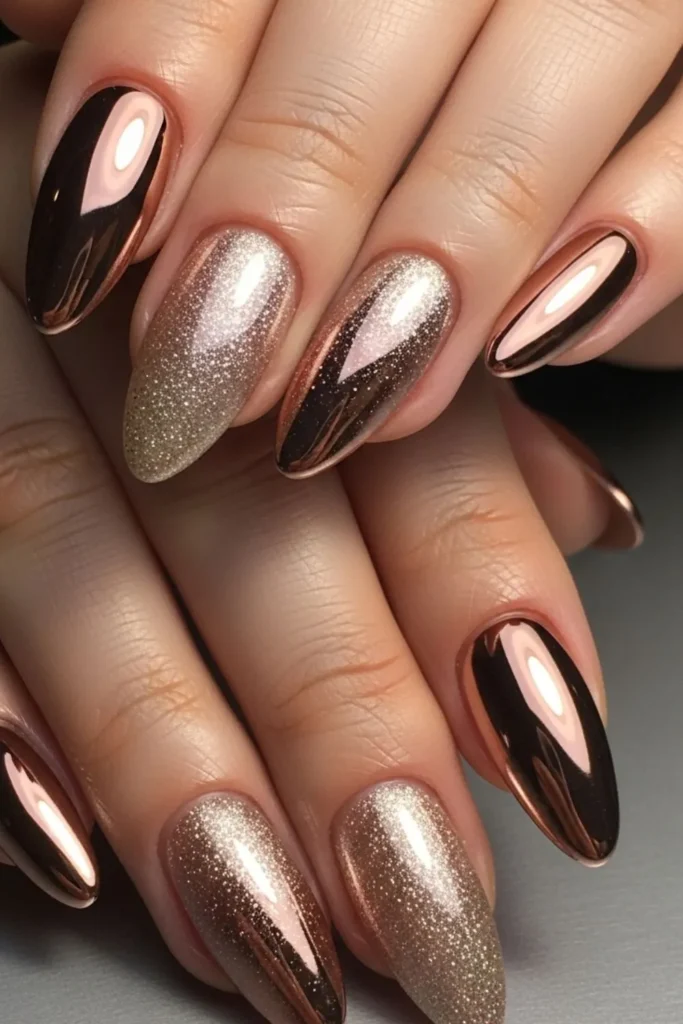
A warm metallic gradient that shifts from rose gold at the base to a soft champagne at the tip. This adds elegance without being too sparkly.
12. Pearl White to Silver
A cool-toned shimmer fade from iridescent white to soft silver. This sits squarely within 2026’s glazed aurora nail trend, it catches light with a liquid, almost holographic quality that photographs exceptionally well in natural light.
See More About : 33 Flare Nail Designs That Bring Drama Without the Effort
13. Gold Fleck to Nude
A sheer nude base with gold shimmer concentrated at the cuticle, fading to clean nude at the tip. The effect is subtle but polished.
14. Lavender Shimmer to Clear

A sheer lavender polish with fine shimmer that fades into a clear tip. This creates an ethereal, almost holographic effect in natural light.
Works best when: You want a spring ombre with a little extra dimension but don’t want full glitter nails. The shimmer adds interest without overwhelming the gradient.
French Ombre & Tip Variations (Ideas 15–18)
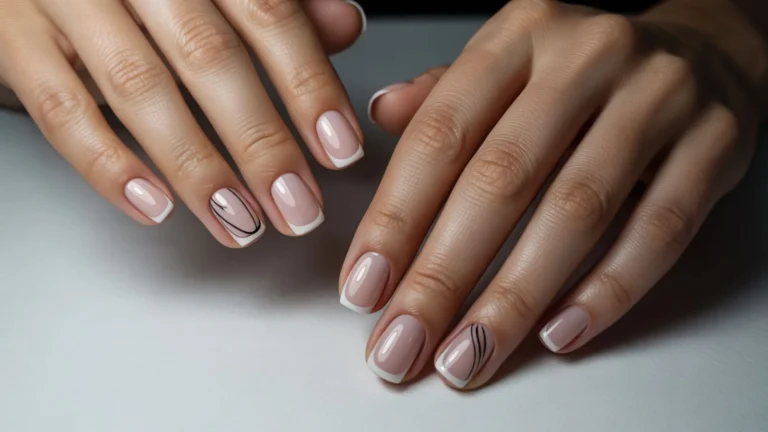
15. Sheer Pink to White French
A classic baby boomer ombre a sheer pink base blending seamlessly into a white tip. This is the most universally flattering ombre and works for any occasion.
16. Nude to Lavender Tip
A skin-toned nude base fading into a soft lavender at the tip. It’s a french ombre with a spring twist, subtle enough for professional settings.
17. Peachy Nude to Coral Tip
A warm nude base transitioning to a soft coral at the tip. The gradient is gentle but the coral adds just enough color to feel seasonal.
18. Milky White to Blush Tip

An opaque milky white base with a blush pink fade at the tip. This reverses the typical french ombre structure and feels modern and editorial.
Who this range is best for: Anyone who loves the clean structure of french nails but wants something softer and more blended for spring. Who should skip this: If you prefer bold, full-color nails french ombre variations are inherently subtle and won’t give you that impact.
See More About : 25 Short Oval Nails That Look Elegant Without the Drama
Creative Techniques & Finishes (Ideas 19–21)
19. Horizontal Rainbow Ombre
Real-world note: Horizontal rainbow ombre is having a major moment in 2026, largely driven by the aura nail trend. Keep the individual colors ultra-soft and closely valued (pale yellow → peach → blush → lavender → sky blue) and the result reads as wearable art rather than visual noise, even for everyday wear.
20. Matte Ombre Finish
Take any of the pastel gradients above and finish with a matte topcoat. The matte texture changes the entire mood less glossy-sweet, more editorial and modern.
21. Reverse Ombre (Dark to Light)

Instead of light to dark, start with a deeper spring tone at the cuticle (like mauve or dusty rose) and fade to a lighter shade at the tip. This technique is less common and feels more intentional.
Real-world scenario: Horizontal rainbow ombre looks stunning in photos but can feel busy in person. If you’re wearing this for everyday life rather than a special event, keep the colors ultra-soft to avoid visual overload.
Spring Ombre Nails Color Combinations To Avoid (And Why They Fail)
Knowing which combinations to skip saves time and polish. These are the most common spring ombre mistakes and the specific reasons each one fails.
Neon + Pastel In The Same Gradient The contrast between a saturated neon and a soft pastel is too wide for a smooth blend. The transition point looks abrupt rather than gradual, and the neon overpowers the pastel completely. If you want a neon spring look, use it as a solid with a subtle shimmer finish rather than forcing it into a gradient.
Two Colors With The Same Tonal Value This is the most common beginner error. If two colors are equally light or equally saturated, the gradient disappears, it just looks like uneven application. A spring ombre needs at least one step of noticeable contrast between the two shades. Test by squinting at your polish bottles: if you can’t tell them apart when your eyes are half-closed, the gradient won’t read on the nail.
Warm + Cool Tones Without A Neutral Bridge Combining a warm coral with a cool lavender sounds spring-appropriate, but the colors fight each other at the transition point and create a muddy, brown-grey middle zone. To make warm-cool combinations work, you need a neutral white or cream in the middle to act as a bridge color.
Glitter As A Base In An Ombre Glitter polishes are too textured to blend. Using chunky glitter as one end of a gradient creates a hard line rather than a fade, no matter how much you sponge it. Fine shimmer polishes work; glitter-heavy formulas don’t.
Full-Coverage Dark Base With A Light Tip A deep jewel tone like navy or burgundy fading to white requires far more skill than a pastel gradient and typically results in grey, washed-out middle tones. If you want a reverse ombre with depth, keep the base in the deep-spring range (mauve, dusty rose, deep sage) rather than going fully dark.
How To Choose The Right Spring Ombre Combination For Your Skin Tone
Choosing a Spring Ombre combination that actually flatters you isn’t about following a formula, it’s about understanding how undertones interact with gradient transitions. Here’s how each skin tone category reads with the most popular spring gradients.
Fair Skin With Cool Undertones Lavender-to-white and baby blue-to-mint work exceptionally well because the cool tones in the gradient echo the natural pink-blue undertones in fair skin. Avoid butter yellow-to-cream on very fair skin, it can read as washed out rather than warm.
Fair Skin With Warm Undertones Blush pink-to-peach and coral-to-apricot were practically designed for this skin tone. The warm gradient picks up the golden or peachy quality in the skin and makes the whole hand look luminous. Rose gold-to-champagne shimmer ombre is also a standout choice.
Medium/Olive Skin Tones This is where the garden-inspired palette truly shines. Sage green-to-ivory, pistachio-to-cream, and terracotta-to-sand all contrast cleanly against olive skin without disappearing. Avoid very sheer or nude-heavy gradients, they can blend too closely with the skin and lose definition.
Deep/Dark Skin Tones Rich contrast gradients perform best. Rose-to-mauve, terracotta-to-sand, and coral-to-apricot all read with full visual impact. Metallic ombres, particularly rose gold-to-champagne and pearl-to-silver are especially striking on deeper skin tones because the shimmer catches light against the contrast. French ombre variations in sheer pink-to-white can be adjusted by using a deeper nude base that matches the actual skin tone rather than defaulting to the standard “nude.”
Universal options: Matte ombre in any pastel gradient flatters every skin tone because the lack of shine reduces contrast and softens the overall effect. When in doubt, matte finishes are the most forgiving across the board.
Spring Ombre Nails By Occasion: What Actually Works Where
Not every ombre works in every setting. Here’s how to match the right gradient to the occasion without overthinking it.
Office & Professional Settings Stick to French ombre variations (ideas 15–18) or anything in the nude-to-soft-pastel range. Lilac-to-nude and sheer pink-to-white read as polished rather than decorative, they add interest without distracting. Avoid horizontal rainbow ombre or high-shimmer metallics in conservative workplaces.
Weddings (Guest or Bride) For guests: blush pink-to-peach or rose-to-mauve. Both photograph well in natural light and coordinate with the widest range of dress colors. For brides: pearl white-to-silver or milky white-to-blush tip. The shimmer and soft structure read as deliberately bridal without being overdone. Avoid any ombre with strong green or terracotta tones for bridal, they can pull focus in photos.
Spring Brunches, Events & Garden Parties This is where the full pastel palette earns its place. Baby blue-to-mint, lavender-to-white, or the horizontal rainbow ombre (kept in soft tones) feel contextually perfect. The setting is casual enough for more creative gradients without them feeling out of place.
Prom & Formal Events Metallics are the clear choice here. Rose gold-to-champagne or lavender shimmer-to-clear both photograph beautifully under event lighting, which tends to be warm and diffused. The shimmer reflects without overpowering, and the gradient adds sophistication that solid glitter nails can’t match.
Everyday Wear Matte ombre in any pastel, or the classic french ombre. Both are low-maintenance visually, they don’t demand attention but hold up well across different outfits and settings. Sage green-to-ivory in matte is a particularly versatile everyday option for 2026.
What’s the Best Tool for DIY Spring Ombre Nails?
A makeup sponge is the most accessible and effective tool for creating smooth gradients at home. Apply your base color, let it dry, then dab your two gradient colors onto a damp makeup sponge and press it onto the nail repeatedly. The sponge blends the colors better than a brush ever will.
2026 alternative: A clean fan brush dragged lightly over two wet polish colors works well for a feathered ombre effect, less precise than sponging but faster for beginners experimenting at home.
For gel ombre, many nail techs use a soft brush to blend the colors while they’re still wet under the lamp. This technique creates the smoothest transition but requires practice and proper gel equipment.
Step-By-Step: How To Do Spring Ombre Nails At Home That Actually Look Professional
What You Need
- Two nail polish colors in your chosen gradient
- A makeup sponge (a standard beauty blender or a flat wedge sponge both work)
- A clean base coat
- A glossy top coat
- Nail polish remover and a small brush or cotton swab for cleanup
Step 1: Apply Your Base Coat Let it dry completely. This isn’t optional, skipping base coat causes the sponge layers to pull up rather than adhere.
Step 2: Apply Your Lighter Color As A Base Paint the lighter shade of your gradient across the entire nail. Let it dry fully. This creates a clean foundation and means any sponging gaps won’t show bare nail through them.
Step 3: Load The Sponge Paint both colors directly onto the sponge in two side-by-side stripes, slightly overlapping in the middle. The overlap zone is where the blend happens. The stripes should be roughly the width of your nail.
Step 4: Dab — Don’t Drag Press the sponge straight down onto the nail and lift. Do not drag or swipe. Repeat the press-and-lift motion 8–12 times, reloading the sponge with color every 3–4 presses. Each layer builds the gradient without smearing it.
Step 5: Adjust The Placement If you want more color at the tip, position the sponge so the darker shade sits at the nail’s edge. For a base-heavy gradient, flip the orientation. The sponge gives you control over where the color concentrates.
Step 6: Clean The Edges Dip a thin brush or cotton swab in nail polish remover and trace the skin line around each nail. Do this before applying the top coat, once the top coat goes on, the edges seal and become harder to clean.
Step 7: Seal With Top Coat Apply one generous layer of glossy top coat to smooth the texture and unify the gradient. For a matte finish, substitute a matte top coat at this step.
Common fix: If the gradient looks patchy after drying, add another sponge layer. Spring ombre almost always looks better with 3–4 thin sponge passes than with 1–2 heavy ones.
What Nail Technicians Actually Recommend For Spring Ombre in 2026
Based on what’s consistently recommended by nail technicians across professional communities in 2026, here’s what separates salon-quality spring ombre from DIY results:
On gel vs. regular polish for ombre: Gel ombre requires a specific technique colors are blended while still uncured, using a flat brush in short, feathering strokes before each flash-cure under the lamp. The window to blend is roughly 60–90 seconds per layer. Rushing this is the primary reason gel ombre looks streaky in salon settings. If your technician is curing each layer fully before blending, request the wet-blend method instead.
On the “builder gel” technique for smooth gradients: An increasing number of nail techs in 2026 are using a clear builder gel as a blending medium between two color gels. A small amount of clear gel at the transition zone gives the colors somewhere to move into, creating a more seamless fade than direct color-to-color blending alone.
On color selection at the salon: When booking an ombre appointment, bring a reference image rather than describing the colors verbally. The language around nail color is inconsistent, what you call “blush” may be significantly darker or lighter than what your technician reaches for. A photo eliminates the gap.
On maintaining spring ombre between appointments: Apply a fresh layer of top coat every 4–5 days. This extends gel ombre wear by up to a week without requiring a full fill and keeps the gradient looking fresh rather than dull.
Spring Ombre Nails Aftercare: How To Make The Gradient Last Longer
The gradient itself doesn’t make ombre nails more fragile, but how you treat the manicure in the first 24 hours and the days that follow determines how long it holds.
First 24 Hours Avoid hot water, steam, and prolonged hand washing for at least 12 hours after application. Heat causes polish layers to expand before they’ve fully bonded, which leads to premature chipping at the tips, exactly where your gradient lives. If you need to wash dishes, use gloves.
Cuticle Oil Is Non-Negotiable Apply cuticle oil around the nail edge (not on the polish itself) every day. Dry cuticles contract slightly over time and create micro-tension at the base of the nail, which accelerates lifting. This is more of an issue with ombre than with solid polish because the layered sponge application creates slightly more thickness at the transition zone, making early lifting more visible.
Protect The Tips The gradient tip is the most vulnerable point of any ombre manicure. When opening cans, packages, or anything requiring nail-edge pressure, use the pad of your finger rather than the tip. Wrapping the tips, painting a thin stroke of top coat along the nail edge, also significantly reduces chipping at that point.
Top Coat Refresh Every 4–5 days, apply one thin layer of the same top coat you finished with. This reseals the surface and extends gel-quality shine on regular polish. Do not apply more than one refresh layer without removing, buildup creates a thicker surface that chips in larger pieces rather than small ones.
When To Let It Go Ombre manicures that start lifting at the cuticle rarely recover cleanly. Rather than patching individual nails, remove fully and reapply. A patched ombre almost always looks worse than starting fresh, and the lifting will continue regardless of the fix.
Do Spring Ombre Nails Last as Long as Solid Colors?

With regular polish, Spring Ombre Nails last just as long as solid colors typically 5–7 days before chipping. The gradient itself doesn’t affect durability.
With gel polish, ombre can actually last slightly longer (2–3 weeks) because the blending process often involves multiple thin layers, which can add strength to the nail.
Common misconception: That Spring Ombre Nails are harder to maintain. They’re not. Once applied, they behave exactly like any other manicure.
Which Nail Shape Works Best with Spring Ombre?
Oval and almond shapes show off vertical Spring Ombre Nails gradients most effectively because the color transition follows the natural curve of the nail. The fade looks intentional and balanced.
Square or squoval nails work better for horizontal Spring Ombre Nails or french Spring Ombre Nails variations, where the gradient moves from side to side or base to tip in a straighter line.
For short nails: Stick with vertical Spring Ombre Nails or french Spring Ombre Nails variations. Horizontal multi-color ombre can look cramped on a shorter nail bed.
See More About : 40 Spring Nails Short Ideas That Feel Fresh Without the Length
FAQ
How do I keep my Spring Ombre Nails from looking patchy?
Use thin layers and build up the gradient slowly. Thick application in one go almost always results in a patchy, uneven finish. Let each layer dry before adding the next.
Can I do Spring Ombre Nails with regular polish at home?
Yes. A makeup sponge and regular polish work perfectly for DIY ombre. The key is using a light hand and allowing the sponge to do the blending work for Spring Ombre Nails.
What’s the easiest spring ombre combination for beginners?
Sheer pink to white French ombre remains the most forgiving starting point, light colors hide blending imperfections naturally. A close second for 2026 beginners: nude to blush. The subtle contrast is easy to control and the result looks intentional even when the blend isn’t perfect.
Do Spring Ombre Nails photograph well for Pinterest?
Yes, especially soft pastel gradients and french ombre variations. They photograph with a dreamy, blurred quality that performs well visually on social platforms.
Key Takeaways
- Vertical ombre looks most natural on oval or almond-shaped nails.
- A makeup sponge creates smoother gradients at home than a brush.
- Spring ombre works best with pastels, neutrals, and soft botanical tones.
- French ombre variations are the most universally flattering and professional-looking.
- Matte topcoats transform any ombre into a more editorial, modern finish.
Conclusion
Spring Ombre Nails work because they mirror the season itself soft, transitional, and full of subtle shifts rather than hard lines. The 21 ideas Spring Ombre Nails here cover everything from barely-there french variations to bolder horizontal rainbow gradients, and all of them are built around clean blending and wearable color choices.
The best Spring Ombre Nails isn’t the one with the most colors or the boldest contrast. It’s the one that blends so smoothly it looks effortless, even if it took three tries with a makeup sponge to get it right. Start your Spring Ombre Nails with a simple pastel-to-white gradient, master the sponge technique, then move into the bolder botanical and shimmer combinations that are defining Spring 2026 nail aesthetics. The blend is everything, once you’ve got that, the rest follows.