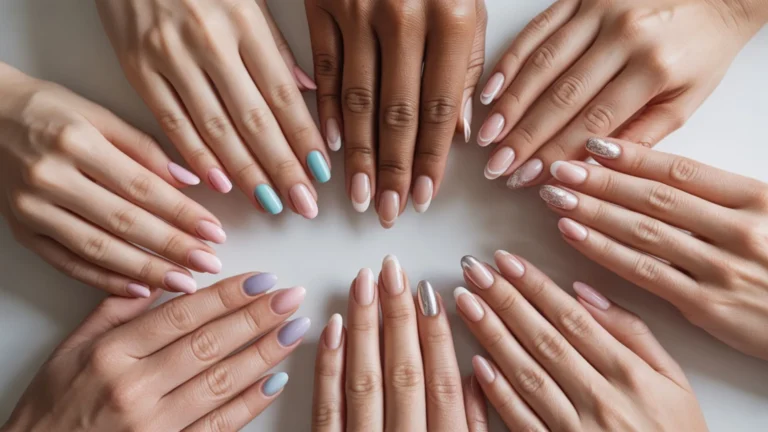
Square Vs Coffin Nails: 23 Differences That Actually Matter in 2026

Choosing between square and coffin nails isn’t just about aesthetics it’s about how your hands look in photos, how often you’ll deal with snags, and whether your lifestyle actually supports the shape you love scrolling past on Pinterest. Both styles have devoted followers, but they wear completely differently in real life.
This guide breaks down the practical differences between square and coffin nails, from durability and maintenance to which nail beds they flatter most. You’ll find real scenarios, honest pros and cons, and enough detail to make a confident choice before your next appointment.
1. The Basic Shape Structure Square Vs Coffin Nails
Square nails feature straight-across tips with sharp, 90-degree corners. The sidewalls run parallel from cuticle to tip, creating a clean, architectural look that emphasizes width.
Coffin nails (also called ballerina nails) taper gradually from a wider base toward the tip, then finish with a squared-off edge. The result is a tapered silhouette that’s dramatic but still structured.
Who square nails work best for: People with wider nail beds who want a clean, minimalist look that doesn’t draw attention to length.
Who coffin nails work best for: Those seeking a statement shape that elongates shorter fingers and photographs well from every angle.
2. Durability During Daily Tasks Square Vs Coffin Nails

Square nails chip less frequently because the straight edge distributes pressure evenly when you type, open cans, or button clothing. The corners are vulnerable, but breaks typically happen along predictable lines.
Coffin nails experience stress at the tapered sides, especially near the tip. The narrow point makes them more prone to lifting at the edges and cracking vertically if they catch on fabric.
See More About :11 Best Nail Shapes For Wide Nails That Actually Flatter Your Hands
3. Maintenance Frequency Square Vs Coffin Nails
Square shapes hold their form longer between fills. You can often push appointments an extra week because growth is less visually obvious, and the shape doesn’t depend on precise symmetry.
Coffin nails need more frequent shaping. As they grow, the taper becomes uneven, and the tips can look blunt or lopsided. Most people find they need reshaping every 2–3 weeks to maintain the sleek silhouette.
4. Natural Nail Compatibility Square Vs Coffin Nails
Square nails work on shorter natural nails. You can achieve the look at fingertip length without extensions, making them ideal for anyone avoiding acrylics or keeping things low-maintenance.
Coffin nails require length either naturally long nails or extensions. The taper doesn’t read visually unless there’s enough vertical space, usually at least 1/4 inch past the fingertip.
5. How They Photograph Square Vs Coffin Nails
Square nails create strong horizontal lines in photos. They make hands look wider but well-groomed, and they work beautifully in flat-lay shots or close-ups where you want clean geometry.
Coffin nails photograph with elegance and drama. The tapering creates a slimming effect that flatters most hand shapes, and they catch light along the angled sides for a more dimensional look.
6. Typing Comfort Square Vs Coffin Nails

Square nails allow for more natural typing since the flat edge mirrors your fingertip’s natural contact point with keys. You can type normally without adjusting your hand position.
Coffin nails require a learning curve. The narrow tips mean you’ll hit keys slightly differently, and longer coffin nails often force you to type more with your finger pads than your tips.
7. Snagging Risk Square Vs Coffin Nails
Square corners catch on knit fabrics, hair, and delicate clothing more often. You’ll find yourself consciously avoiding certain sweaters or being extra careful when handling textiles.
Coffin nails snag less at the tip but can catch along the tapered sides. The risk is lower overall, but when they do snag, the thinner sidewalls are more likely to crack.
8. Polish Application Difficulty Square Vs Coffin Nails
Square nails are easier to polish evenly. The consistent width means you can drag the brush straight down without adjusting pressure or angle.
Coffin nails need careful tapering with the brush. You’ll use more strokes to follow the shape, and achieving clean, even edges takes practice or a steady nail tech.
9. Nail Bed Flattery Square Vs Coffin Nails
Square nails make wide nail beds look proportional. They balance natural width and prevent fingers from looking stubby, especially on shorter lengths.
Coffin nails slim the appearance of wider nail beds by drawing the eye vertically. They’re particularly flattering on people with short, wide fingers who want a lengthening effect.
Common misconception: Coffin nails work on everyone. In reality, they can emphasize narrow nail beds to the point of looking skeletal if there isn’t enough natural width to start.
10. Design Versatility Square Vs Coffin Nails
Square nails provide a clean canvas for minimalist art, French tips, and geometric designs. The sharp corners create natural anchor points for patterns.
Coffin nails showcase gradient work, ombre effects, and detailed art beautifully. The tapered shape adds movement to designs and makes intricate nail art more visible.
11. Professional Environment Acceptance Square Vs Coffin Nails

Square nails at moderate length read as polished and conservative. They’re safe for corporate settings, client-facing roles, and industries with grooming standards.
Coffin nails, even at conservative lengths, signal fashion-forward choices. Some workplaces view them as too trendy, though this varies widely by industry and region.
See More About :20 March Nail Ideas Spring That Actually Look Fresh in 2026
12. Gel Versus Acrylic Performance Square Vs Coffin Nails
Square shapes work equally well with gel or acrylic. The structure supports both products without requiring extra reinforcement at the corners.
Coffin nails perform better with acrylic because the tapered sides need structural support. Gel coffin nails are possible but more prone to flexibility and breakage at the tips.
13. Growth-Out Appearance Square Vs Coffin Nails
Square nails show growth as a visible gap between the shaped tip and where your nail starts curving. The look stays relatively tidy for the first 10–14 days.
Coffin nails lose their shape definition faster. As they grow, the taper shortens proportionally, making them look more like rounded squares within two weeks.
14. Seasonal Styling Trends Square Vs Coffin Nails
Square nails lean minimalist and classic. They’re having a strong moment in 2026 for neutral manicures, subtle chrome finishes, and barely-there pink tones.
Coffin nails remain the go-to for bold seasonal trends jewel tones in fall, pastels in spring, and anything involving rhinestones or 3D embellishments year-round.
15. Pain and Pressure Points Square Vs Coffin Nails
Square nails distribute pressure across the entire tip, which feels more comfortable during activities like gripping, pushing, or applying force with your fingertips.
Coffin nails concentrate pressure at the narrow tip. This can feel uncomfortable when pressing buttons, handling small objects, or doing anything that requires fingertip precision.
16. Filing and Shaping Time Square Vs Coffin Nails
Square nails take 5–7 minutes to shape. File straight across, smooth the corners slightly, and you’re done. It’s the fastest shape to maintain at home.
Coffin nails need 10–15 minutes of careful filing. You’ll shape each side separately, check symmetry constantly, and refine the tip multiple times to get the taper right.
17. Extension Method Compatibility Square Vs Coffin Nails

Square nails work with tips, forms, or press-ons equally well. The simple geometry makes them beginner-friendly for at-home application.
Coffin nails are trickier with press-ons because you need to find the right taper for each finger. Sculpted forms or custom tips applied by a tech yield the most consistent results.
See More About :48 Best Nail Shapes For Short Fingers That Actually Flatter Your Hands
18. Cost Differences Square Vs Coffin Nails
Square nails typically cost $5–10 less per appointment because they require less shaping time and fewer product adjustments.
Coffin nails take longer to perfect, especially during fills when the tech needs to re-establish the taper. Expect to pay slightly more, particularly at high-end salons.
19. Trend Longevity Square Vs Coffin Nails
Square nails have remained consistently popular since the 1990s. They’re a classic that won’t look dated in old photos or feel like a fleeting trend.
Coffin nails peaked around 2018–2020 and are still widely loved but increasingly viewed as a specific aesthetic choice rather than a universal favorite.
20. Breakage Patterns Square Vs Coffin Nails
Square nails usually break at the corners first. When a corner chips, you can often file it into a rounded square and maintain decent symmetry until your next appointment.
Coffin nails crack vertically along the tapered sides. When this happens, you typically need an immediate fix or removal because the structural integrity is compromised.
21. Texture and Finish Compatibility
Square nails look sleek with matte finishes, glossy creams, and minimalist textures. The flat surface doesn’t need visual tricks to look polished.
Coffin nails benefit from shimmer, chrome, or dimensional finishes that play with light along the tapered edges. Flat matte colors can sometimes look heavy on the dramatic shape.
22. DIY Maintenance Difficulty
Square nails are DIY-friendly. You can maintain the shape at home with a basic nail file and steady hand, making them ideal for budget-conscious routines.
Coffin nails need professional reshaping. Attempting to maintain the taper at home often results in uneven sides or a tip that’s too wide, requiring a salon fix.
23. Comfort for Side Sleepers Square Vs Coffin Nails

Square nails can dig into your face or hands if you sleep on your side with your hands near your face. The sharp corners create uncomfortable pressure points.
Coffin nails taper away from your palm, making them slightly more comfortable for side sleepers, though any long nail shape will require adjustment to your sleep position.
See More About :21 April Spring Nail Ideas That Are Fresh, Floral, and Actually Wearable in 2026
Frequently Asked Questions
Can you switch between square and coffin nails easily?
Yes, but going from square to coffin requires growing out or adding length first. Switching from coffin to square is as simple as filing straight across during your next appointment.
Which shape lasts longer without chipping?
Square nails typically last 3–5 days longer before showing visible chips because the straight edge is more durable than the tapered coffin sides.
Do coffin nails make your fingers look longer?
Yes, the vertical taper creates a lengthening effect that’s particularly flattering on shorter or wider fingers, though the effect is subtle on very long fingers.
Are square nails better for short nails?
Absolutely. Square shapes work beautifully at fingertip length, while coffin nails need extra length to achieve the proper taper and visual impact.
Which shape is easier for beginners to maintain?
Square nails are significantly easier to file and maintain at home, requiring only basic tools and minimal shaping skills.
Key Takeaways
Square nails offer durability, low maintenance, and professional versatility at any length.
Coffin nails provide a fashion-forward, elongating effect but require more frequent shaping and professional upkeep.
Square shapes work better for active lifestyles involving typing, manual tasks, or minimal salon visits.
Coffin nails photograph with more drama and suit bold seasonal trends and detailed nail art.
Your nail bed width and natural nail length determine which shape will look most balanced and flattering.
Conclusion
Both Square Vs Coffin Nails have earned their place in modern nail culture, but they serve different lifestyles and aesthetic goals. Square nails deliver understated elegance with practical benefits less chipping, easier maintenance, and professional polish that translates across settings. Coffin nails make a statement, offering visual drama and photo-ready appeal that works beautifully for special occasions and trend-driven styles.
The right choice depends on how you use your hands daily, how much time you’re willing to invest in upkeep, and which silhouette makes you feel most confident. Try each shape for a full wear cycle before committing long-term, and pay attention to how they perform during your regular routines, not just how they look in the salon mirror.