Nail Kit: 15 Essential Picks for the Perfect DIY Nail Art System in 2026

Are you tired of the endless cycle of expensive salon visits, only to have your beautiful gel manicure start to chip or lift mere days later, or feel frustrated by the lack of true artistic expression when you try a quick touch-up at home? It is a common challenge for the modern beauty enthusiast: you want salon-quality results and professional-level nail enhancements, but the cost and time investment required by a nail technician are simply unsustainable for a busy schedule.
This predicament often leaves you with two options: settling for inconsistent, short-lived results, or becoming completely overwhelmed by the sheer volume of unfamiliar nail products available online.
The solution to achieving consistently perfect nails on your own schedule and budget is simple: investing in the right nail kit. A high-quality starter kit or professional nail kit is more than just a box of polish; it is a curated system of essential tools and high-quality gel or acrylic materials designed to deliver durable, long-lasting wear right from your countertop.
The key is understanding that the term “nail kit” encompasses vastly different systems, from a simple set of manicure tools to a complex UV/LED lamp and sculpting liquid setup. This comprehensive guide will break down the crucial components, compare the major system types, and provide a clear roadmap for selecting the perfect nail kit that aligns with your nail health goals and DIY nail art ambitions in 2025.
What Essential Components Should a Beginner Friendly Nail Kit Always Include?
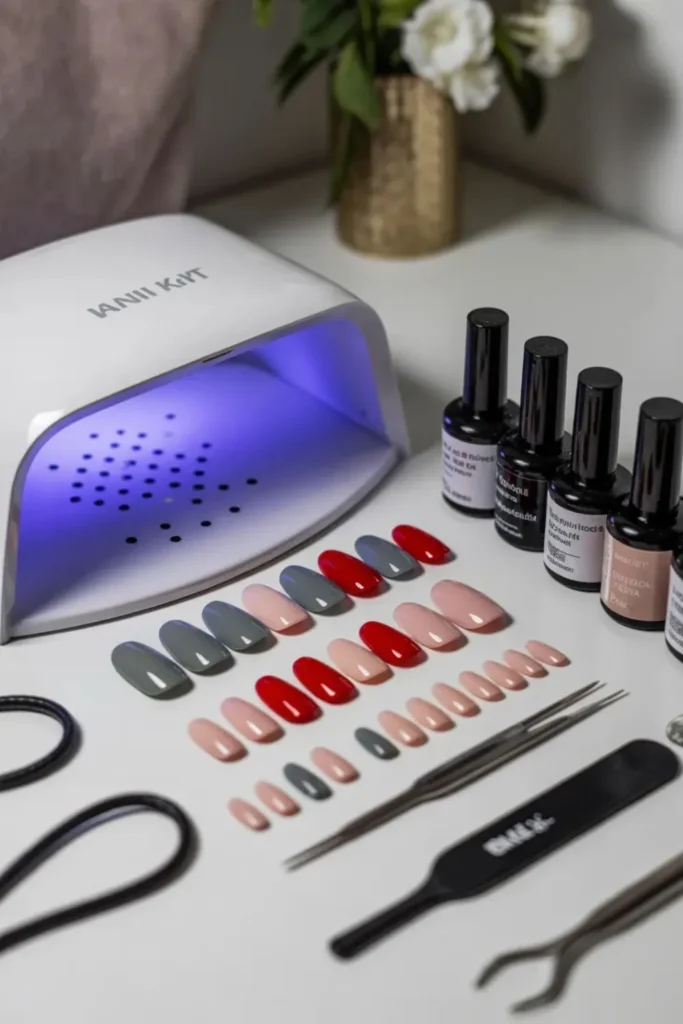
For anyone embarking on their DIY nail art journey, the foundation of a great nail kit is the inclusion of universal essential tools necessary for safe nail prep and a successful application process. The quality of these basic kit components is often a direct indicator of the overall value and commitment to long-lasting wear the manufacturer has prioritized. An effective starter kit does not require an overwhelming number of items, but it must contain non-negotiable items that safeguard your nail health.
These manicure tools form the groundwork for every successful nail extension or natural nail overlay, and even a simple gel nail kit should prioritize them. Skipping these preparatory steps leads directly to product lifting and premature chipping, rendering even the most expensive gel polish ineffective. Always prioritize kits where these finishing tools feel sturdy and of a quality you would expect a nail technician to use.
See More About : Fall Nail Art: 45+ Elegant & Inspiring Power Styles 2025
The Nail Prep Trio: Files, Buffers, and Cuticle Care Tools
Every nail kit must feature a reliable set of shaping tools. This “nail prep” trio includes nail files (for shaping and length), a buffer block (for gently etching the nail surface to promote adhesion), and a quality cuticle pusher and/or nippers. These are the essential tools that ensure the nail plate is pristine and ready to accept the base coat.
A kit that includes an array of grit levels (e.g., 100/180 or 240/320) demonstrates an understanding of the need for both aggressive shaping and gentle nail prep. High-quality cuticle care is paramount not only for aesthetics but for preventing the color from touching the skin, which is a major cause of lifting and poor long-lasting wear.
Finishing Tools and Liquids: Base Coat and Top Coat
Beyond the physical tools, the two most critical liquid components in any nail kit are the base coat and the top coat. A reliable base coat forms the adhesive bridge between your natural nail and the gel polish or sculpting liquid. It is the key to chip-free wear.
The top coat is the final shield, providing the high-gloss shine or trendy matte finish and protecting the nail art technique underneath. Additionally, look for ancillary liquids like a dehydrator or nail cleanser, which further ensure the nail prep is perfect by removing natural oils and residue.
Choosing Your System: Which Nail Kit Type Offers the Best Long-Lasting Wear?
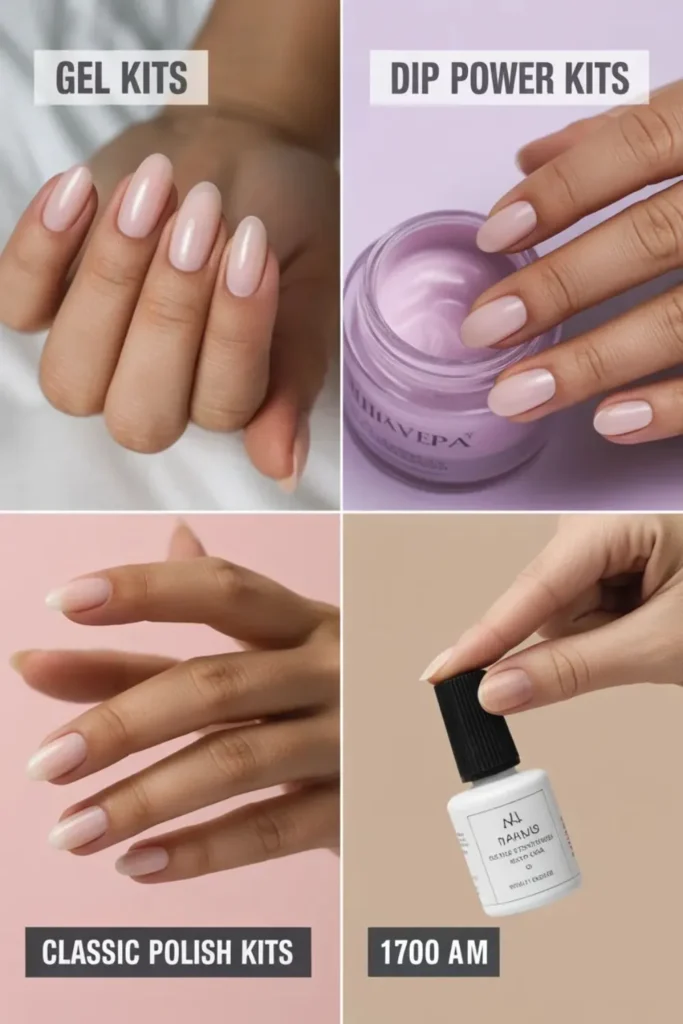
The most significant choice a buyer must make is selecting the fundamental system their nail kit will employ. The three major categories gel nail kit, acrylic nail kit, and dip powder kit each offer different benefits, application process difficulty, and levels of long-lasting wear. Your choice should align with your intended use (simple color vs. nail extension), tolerance for complexity, and time availability for the curing time or drying process.
Understanding these differences is crucial for cost-effectiveness, as the ancillary kit components and need for specialized equipment (like a UV/LED lamp for gel nail kits) vary drastically. For a complete nail aesthetic makeover that guarantees durability, you must choose the system that best supports your ultimate nail design goals.
See More About : Gel Nails: 25+ Uplifting Power Tips for Application & Longevity
| Nail Kit Type | Primary Feature/Benefit | Complexity | Essential Equipment | Long-Lasting Wear |
| Gel Nail Kit | Flexible, high-shine color, soak-off gel removal. | Medium | UV/LED lamp | 2-3 Weeks (Excellent) |
| Acrylic Nail Kit | Extreme durability, strongest nail extension material. | High (Requires mixing monomer) | None (Air Dry) | 4+ Weeks (Superior) |
| Dip Powder Kit | Simple application process, odorless (no sculpting liquid). | Low-Medium | Activator liquid | 2-3 Weeks (Very Good) |
Decoding the Gel Nail Kit: Soak-Off Gel vs. Hard Gel
The gel nail kit is the most popular choice for DIY nail art because it offers a balance of durability and relative ease of removal. These kits almost always require a UV/LED lamp to cure and harden the polish. Most are soak-off gel formulas, meaning the product can be safely removed by soaking in acetone, which is better for nail health than filing.
However, some advanced gel nail kits intended for nail extension may include hard gel or builder gel. This type of gel is much stronger and must be filed off, not soaked, making it more challenging but offering superior long-lasting wear and structure for creating an apex and c-curve. A good starter kit will clearly label its polish as soak-off gel.
The Traditional Acrylic Nail Kit: The Role of Monomer and Sculpting Liquid
The acrylic nail kit is the workhorse of nail enhancements, known for its incredible strength and durability. These kits contain a powder (polymer) and a sculpting liquid (monomer). The application process involves dipping a brush into the monomer and then the powder to create a bead that is then sculpted onto the nail.
This process is highly technical and requires significant practice to achieve a smooth finish and proper nail extension architecture. While it offers the best long-lasting wear (often over a month), the strong odor of the sculpting liquid and the steep learning curve make it less beginner friendly than the other systems.
Understanding the Dip Powder Kit for Effortless DIY Nail Art
The dip powder kit is the modern hybrid, offering the strength of an overlay without the need for a UV/LED lamp or the odor of monomer. The application process is simple: a base coat is applied, the nail is dipped into the colored powder, a sealant (activator liquid) is applied, and finally, a top coat.
This simplicity makes it very beginner friendly, but the downside is that creating intricate DIY nail art or precise nail extension shapes is more difficult than with a gel or acrylic system. It is best for solid color, strong overlays that guarantee great long-lasting wear without the complexity of a traditional nail kit.
How Do I Assess Polish Quality and UV/LED Lamp Power in a Gel Nail Kit?
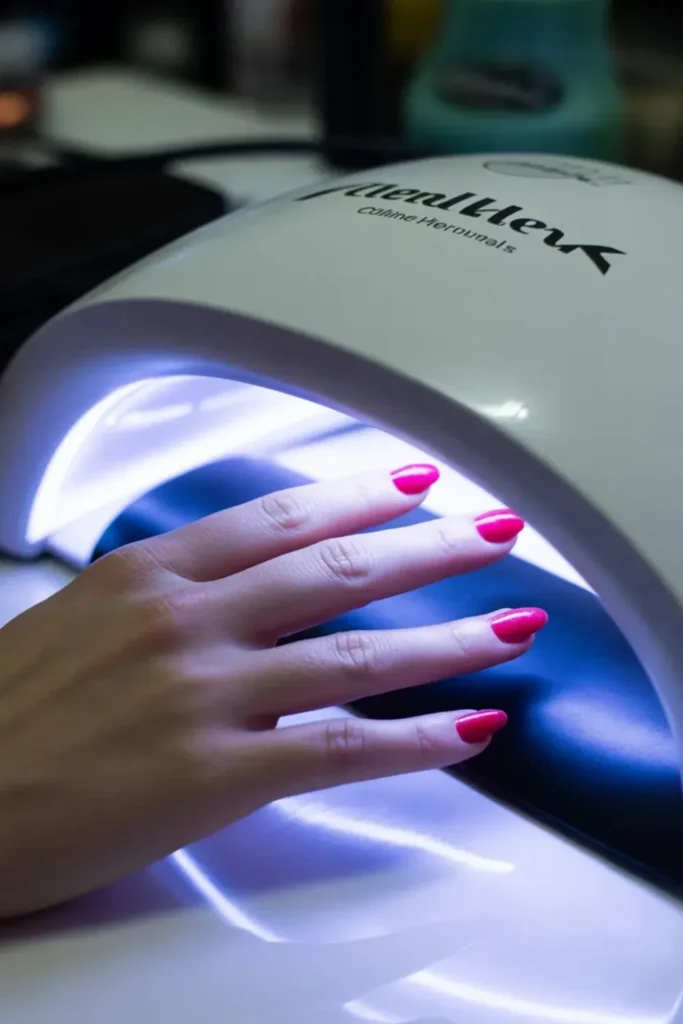
When purchasing a gel nail kit, the quality of the main components the polish and the curing light dictates both the salon-quality of the finish and the safety of the application. Not all nail products are created equal, and smart commercial investigation focuses on specifications over marketing hype. A poor quality UV/LED lamp can result in under-cured polish, leading to premature lifting and potential allergic reactions.
Evaluating these kit components requires looking beyond the basic list of contents and focusing on professional-grade metrics like wattage for the lamp and pigmentation for the gel polish. True cost-effectiveness comes from purchasing a system built to last and perform consistently.
See More About : Gel Nails Designs: 25+ Inspiring Power Ideas for Every Style
The Importance of UV/LED Lamp Wattage and Curing Time
The UV/LED lamp is the single most important tool in any gel nail kit. Look for a minimum of 36 Watts (W), with 48W being ideal for fast, complete curing time. The lamp should have strategically placed LEDs to ensure all five fingers (or toes) are cured evenly and completely.
Incomplete curing which happens with low-wattage or old lamps will leave the polish tacky and soft, drastically reducing long-lasting wear. A good lamp will also have built-in timers (30s, 60s, 90s) to help streamline the application process. This investment is non-negotiable for salon-quality gel manicure results.
Assessing Polish Quality and Pigment Blend
Polish quality in a nail kit is determined by its pigment blend, consistency, and safety certifications. High-quality gel polish should be highly pigmented, allowing for full opacity in just two thin coats. Thin, runny polishes are harder to apply near the cuticle care area and are more prone to shrinking or wrinkling during curing time.
Look for brands that are “9-free” or “10-free,” indicating they exclude many of the harsh chemicals found in cheaper formulations, which is a key factor in protecting your nail health. Better polish quality means a smoother finish, easier DIY nail art execution, and superior long-lasting wear.
Upgrading Your Nail Kit: When to Transition from a Starter Kit to a Professional Nail Kit?
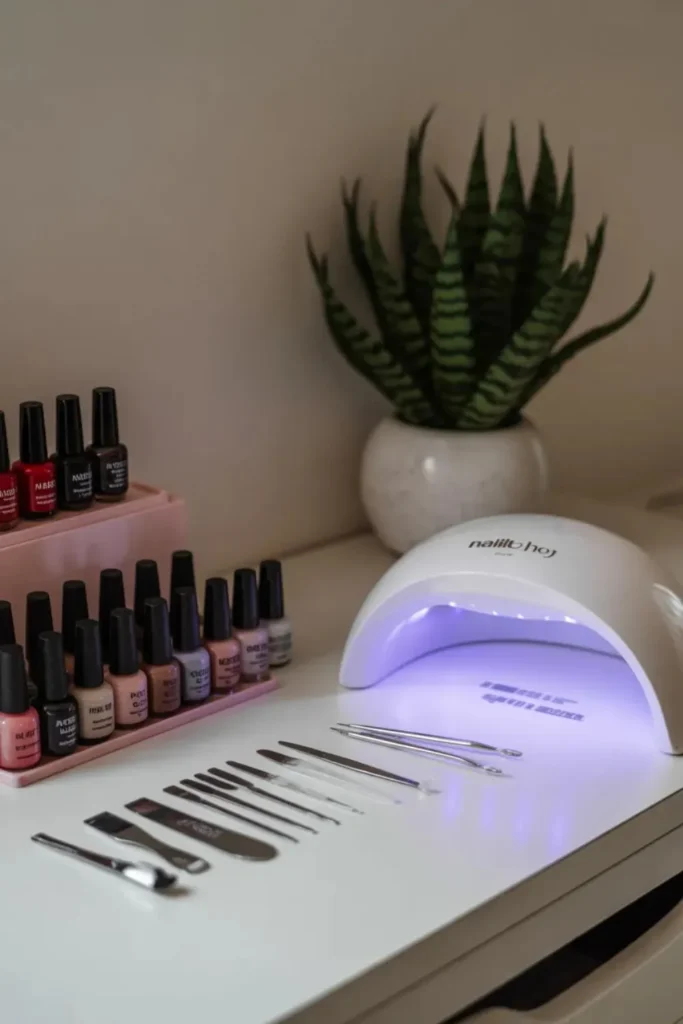
The shift from a basic starter kit to a professional nail kit is a natural progression for the serious DIY nail art enthusiast. This transition is usually signaled by a desire to tackle nail extension using nail forms instead of tips, or the need to save time on shaping and removal. The primary addition at this stage is the electric file or nail drill.
A professional nail kit focuses on efficiency, speed, and advanced precision, incorporating tools that allow for intricate, high-level nail enhancements. This upgrade is essential for achieving a high volume of designs with greater control and superior long-lasting wear.
See More About : Acrylic Nails Fall: 20+ Bold Elegant Power Designs 2026
Incorporating the Electric File and Advanced Shaping Tools
An electric file (e-file) is the signature addition to a professional nail kit. Used correctly, an electric file can significantly reduce the time spent on nail prep, refining the shape of nail extension and gently removing old product a huge boon for long-lasting wear maintenance.
For nail extension, the transition to specialized nail forms (paper templates) over plastic tips allows for a more customized, structurally sound, and sculpted nails look. A true professional nail kit will also include a range of specialized nail art brushes for detailed work.
The Ultimate Portable Kit: Organization and Cost-Effectiveness for the Nail Technician
For those who travel or simply need a highly organized system, a portable kit with dedicated storage is essential. A well-designed portable kit ensures all your valuable nail products, manicure tools, and your UV/LED lamp are safely contained and ready for use.
While initial investment in a professional nail kit is higher, the cost-effectiveness is quickly realized through the money saved on high-end nail services and the ability to maintain long-lasting wear on your own schedule. This cost-effectiveness makes the transition an intelligent investment in your nail aesthetic and DIY nail art independence.
Frequently Asked Questions
Is the size and type of the UV/LED lamp the only difference between a cheap and expensive gel nail kit?
No, the UV/LED lamp is a significant difference, but the polish quality and the formulas of the base coat and top coat are also critical factors. Cheaper gel nail kits often contain low-pigment polishes that require many coats and formulas prone to lifting, compromising the long-lasting wear. High-end kits use superior, safer nail products designed for salon-quality results and better nail health.
Can I use my old nail forms or sculpting liquid from an acrylic nail kit with a new builder gel or gel extension system?
The nail forms (the paper templates) are often universal and can be used for both acrylic and builder gel systems. However, the sculpting liquid (monomer) from an acrylic nail kit is never compatible with builder gel or gel extension systems. Builder gel is cured with an UV/LED lamp, while sculpting liquid initiates a chemical hardening reaction with acrylic powder. Mixing these distinct nail products will prevent proper curing and result in a ruined manicure.
How do I ensure my nail kit is protecting my nail health during the application process?
To protect your nail health when using a nail kit, focus on gentle cuticle care and proper nail prep (avoid harsh filing). Always ensure complete curing time of all gel polish layers with a high-quality UV/LED lamp to prevent skin contact with uncured product. Finally, invest in soak-off gel kits for easier, less abrasive removal than filing off hard gel or acrylic.
Conclusion
Selecting the perfect nail kit is the definitive first step toward complete control over your nail aesthetic and achieving consistent, salon-quality results. By correctly identifying your needs whether it’s the beginner friendly simplicity of a dip powder kit, the long-lasting wear of a gel nail kit with a high-wattage UV/LED lamp, or the structural capability of an acrylic nail kit with sculpting liquid you can make an informed commercial investigation decision.
Remember that a great nail kit is an investment in cost-effectiveness and DIY nail art independence. Focus on the quality of essential tools, the power of the curing light, and the formula of the base coat and top coat to ensure your new system delivers superior chip-free wear for years to come.