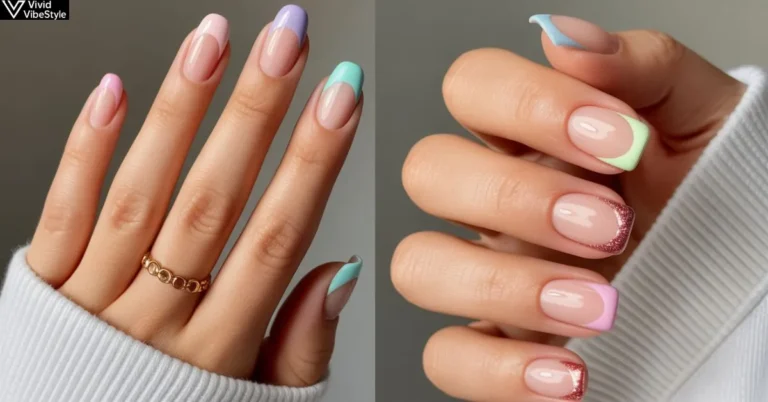
French Tip Nails: 8 Elegant Reasons Avoid Dull Manicures

For decades, the search for a manicure that is effortlessly chic, universally flattering, and appropriate for every occasion from the boardroom to a bridal nail setting has led to endless style cycling. Most trends fade, leaving behind dated looks and disappointment.
Settling for a fleeting trend or a high-maintenance nail art design can lead to constant reapplications, style clashes, and the frustration of chipped polish just days after leaving the professional salon. You need a look that communicates sophistication without shouting, a manicure technique that is truly timeless.
The solution lies in the sophisticated simplicity of French tip nails. This comprehensive guide is designed to empower you with the expert knowledge to not only understand the appeal of the classic French manicure but also to perfectly execute and maintain modern variations. By mastering this technique, you secure a long-lasting, clean look that has defined elegance for generations, ensuring your nail extension or natural polish application is flawless every time.
Why Do French Tip Nails Remain the Top Choice for Elegant Manicures?

The staying power of French tip nails is not a coincidence; it’s a design triumph. Their global appeal stems from a calculated simplicity that enhances the hand’s natural beauty without overpowering it. This look mimics the natural, healthy state of a nail, using a sheer or nude base to compliment the natural nail bed and stark white to define the white tips.
In a saturated beauty landscape, this simple formula ensures that the French Tip Nails manicure remains the benchmark for a polished aesthetic. Its versatility means it shifts seamlessly from a daily uniform accessory to the defining element of a black-tie event, making it an invaluable part of any beauty repertoire.
This classic style is the ultimate testament to the “less is more” philosophy. It provides a frame of subtle contrast that elongates the fingers and gives the hands an immediate, well-groomed appearance. Furthermore, because the essential elements are only two colors, a base and a white tip it can be easily adapted using different colors, textures, and curved line shapes to reflect the current fashion zeitgeist without abandoning its foundational elegance.
Tracing the Classic French Tip Nails Manicure’s Unexpected Origins
Despite its name, the classic French manicure was not born in Paris. The look was popularized in 1970s Hollywood, specifically by Jeff Pink, the founder of Orly, who created the look to save film directors time. They needed a universally neutral nail design that would complement the multitude of costume changes an actress might wear, eliminating the need for constant polish changes.
The directors wanted a nail polish look that was both clean and flattering on camera. The genius was the adaptation of the natural nail’s appearance: a stark white free edge on a pinkish natural nail bed. Hollywood adopted the style immediately, and from there, it traveled to the runways of Paris, cementing its reputation as the European-chic look.
The Simple Secret to the Clean Look and Universal Appeal
The clean look of French tip nails relies entirely on the precise execution of the U-shaped smile line. This is the curve separating the nail bed from the white tips. When applied correctly, this curve should mirror the natural curve of the nail tip, offering a flattering, symmetrical, and balanced finish.
For the audience, the result is a look that feels put-together, mature, and subtle, a refreshing change from complex nail art that can feel transient. This simple contrast is what makes the classic French manicure a go-to for long-lasting sophistication.
See More About :Gel Nails Designs: 25+ Inspiring Power Ideas for Every Style
Mastering the DIY French Tip Nails Application Process at Home
Achieving professional salon quality French tip nails at home is entirely possible, provided you follow a precise application process and invest in the correct tools. The common mistakes for DIY French tips stem from rushing the technique or using low-quality materials. Success hinges on creating an incredibly crisp curved line the “smile line” which requires a steady hand, patience, and often, an assist from application aids.
The key to a successful DIY French tips application is thorough preparation of the natural nail bed. Filing, buffing, and cuticle care are not optional steps; they are the foundation for the longevity and aesthetics of the manicure. A smooth, clean surface ensures superior adhesion for the base coat and a perfect canvas for the white tip color.
Essential Tools for Achieving the Perfect White Tips
To ensure your white tips are sharp and long-lasting, you’ll need more than just two bottles of nail polish. A reliable kit for the best French Tip Nails kit should include:
- Prep: Fine-grit buffer block and a cuticle pusher.
- Base: High-quality, long-wear base coat to protect the natural nail bed.
- Color: A sheer pink or nude polish for the base and an opaque, highly pigmented white polish.
- Precision: French tip guides (adhesive strips) or a fine-tip liner brush for precision application.
- Finish: A high-shine topcoat designed for chip resistance.
Step-by-Step Guide to the Ideal U-shaped Smile Line
The U-shaped smile line is the defining feature of any French tip nails design. Using adhesive guides is the easiest method for beginners to achieve symmetry.
- Base Layer: Apply your chosen sheer base coat to the entire nail. Let it dry completely.
- Guide Placement: Place the adhesive guide over your nail, positioning it exactly where you want the white tips to begin. This placement determines the depth of the curved line.
- Tip Application: Apply the opaque white polish heavily over the exposed tip of the nail. Remove the guide immediately while the polish is still wet this prevents a sticky line when the guide is pulled off after drying.
- Seal and Shine: Once the white tip is fully dry, seal the entire design with a single layer of clear, high-shine topcoat for a long-lasting finish.
Comparing Acrylic French Tips vs. Gel French Tip Nails: Which Nail Extension Lasts Longer?

When seeking a more durable and dramatic look, particularly involving significant length or a change in nail shape, clients often turn to nail extension options like acrylic or gel. Both acrylic French tips and gel French Tip Nails provide a high-gloss finish and superior chip resistance compared to traditional nail polish, but they utilize fundamentally different chemical and application process techniques, influencing their durability and feel.
| Feature | Acrylic French Tips | Gel French Tips |
| Chemistry | Powder (Polymer) mixed with Liquid (Monomer) | Pre-mixed Polymer resin (must be cured under UV/LED light) |
| Application | Air-dried/Chemical bonding (stronger smell) | Application process requires UV/LED lamp |
| Durability | Extremely hard, very long-lasting (4+ weeks), more rigid | Durable (2-3 weeks), more flexible and natural-feeling |
| Removal | Soaked off with Acetone (can be harsh) | Soaked off with Acetone or filed off (less harsh) |
| Feel | Thicker, less flexible, highly durable | Thinner, more natural, glass-like shine |
The choice between acrylic French tips and gel French tips often comes down to lifestyle and desired maintenance.
Evaluating the Durability of Long-lasting Gel Applications
Gel French tips are increasingly preferred for their natural look and flexibility. Gel is a ready-to-use polymer that is sculpted onto the natural nail bed and then cured under a UV or LED lamp, creating a bond that is flexible and less prone to cracking than acrylic. While typically lasting 2 to 3 weeks, they provide a finish with a superior, glass-like shine. For clients who want a sophisticated look that is thin, light, and still long-lasting, the gel manicure technique is the superior choice for long-lasting wear.
When to Choose Acrylic French Tip Nails for Extreme Length
Acrylic French tips are the gold standard for dramatic length and reshaping. The combination of powder and liquid creates a durable, hard polymer that is ideal for clients seeking an extreme nail extension or a complex nail shape like the coffin shape or extreme square.
This material is incredibly resilient to physical impact, making it the most long-lasting option (often 4+ weeks) for those with very active lifestyles. The acrylic French tips are built to endure, perfect for a powerful look that demands attention.
See More About :Fall Nail Art: 45+ Elegant & Inspiring Power Styles 2025
What French Tip Nails Designs are Trending in 2025?

While the classic French manicure will always be in vogue, 2025 is defined by creative departures from the traditional white. Modern French tip nails are exploring color, texture, and strategic negative space, transforming the look from purely classic to cutting-edge nail art.
These French tip trends 2025 maintain the structural integrity of the U-shaped smile line but swap the traditional colors for high-contrast hues, metallics, or even abstract patterns. The core idea is that the line remains the focal point, not just the white tips. [CASE STUDY]
Embracing the Reverse French Manicure and Color-Dipped Tips
The reverse French manicure is a key trend, flipping the placement of the color from the tip to the cuticle area. This creates a “half-moon” or lunula effect, offering a surprising and sophisticated variation on the classic look. Similarly, “color-dipped tips” use vibrant neons, deep jewel tones, or even black instead of white, often paired with a sheer nude base.
This modern manicure technique allows for seasonal adaptation without compromising the clean look. Using a deep red, for example, transforms the style for an autumn look, while a sky blue is perfect for summer.
The Best Nail Shape Pairings for French Tip Trends 2025
The final look is dramatically influenced by the underlying nail shape. Certain shapes maximize the impact of French tip nails.
| Nail Shape | Best Tip Width & Style | Why It Works for French Tip Nails |
| Almond Shape | Thin, tapered tip; classic white is ideal. | Elongates fingers, creates a delicate, feminine look that enhances the curved line. |
| Coffin Shape | Medium-to-thick tip; best for reverse or color-dipped tips. | Provides a large canvas for modern designs and bold color choices on a dramatic nail extension. |
| Square Shape | Thick, blunt tip; excellent for a traditional, graphic classic French manicure. | Offers a strong, crisp contrast and maximizes the visibility of the white tips. |
See More About :Dusty Rose Nails Design: 17 Elegant Looks That Instantly Elevate Your 2025 Manicure
How Can I Maximize the Longevity of My Professional Salon French Tip Nails?

Even the most expertly applied French tip nails, whether they are a long-lasting gel or acrylic French tips, require proper care to reach their maximum wear time. A flawless manicure doesn’t stop once you leave the professional salon; it continues with daily habits and smart product choices. Extending the life of your manicure not only saves you money but also ensures your hands maintain their elegant, clean look between appointments.
Critical Maintenance Tips for Preventing Chipping
Chipping is the enemy of French tip nails, as it immediately destroys the symmetry of the U-shaped smile line. The key to preventing premature chipping lies in minimizing water exposure and protecting the tips.
- Wear Gloves for Chores: Always wear rubber gloves when washing dishes or using harsh cleaning chemicals. Water exposure is the leading cause of polish lifting from the natural nail bed.
- Oil the Cuticles: Use high-quality cuticle oil daily. This keeps the surrounding skin and the nail itself flexible, which prevents the hardened nail polish or nail extension from cracking as easily.
- The Topcoat Refresh: Apply a fresh coat of high-shine topcoat every two to three days. This acts as a sacrificial barrier, protecting the original design and keeping the manicure looking freshly done.
See More About :Scorpio Nails Designs: 17 Intense Looks That Instantly Elevate Your Manicure
Frequently Asked Questions
Are French tip nails considered long-lasting and low-maintenance?
Yes, the structure of the classic French manicure lends itself to being relatively low-maintenance, especially compared to intricate nail art. The manicure technique involves simple color application. When applied using quality nail polish or, better yet, gel French tips or acrylic French tips, the design can be very long-lasting, making it a highly practical and long-lasting choice.
What is the difference between a classic French manicure and a reverse French manicure?
A classic French manicure uses a sheer base with an opaque, defined curved line of white color applied to the free edge or tip of the nail. A reverse French manicure flips this design, applying the defining line of color at the cuticle line (lunula) instead of the tip, creating a modern twist on French tip nails.
Can I use a French tip kit for a nail extension like acrylic French tips?
While most standard French tip kit products are designed for natural nails or soft gel, the principles and polishes can be used on acrylic French tips. However, for a true nail extension, the acrylic or gel structure must be built by mixing powder and liquid or using hard gel, a process often reserved for the professional salon setting. You can use the polishes from the kit to achieve the desired white tips on top of the finished nail extension.
Conclusion
The enduring popularity of French tip nails is a powerful testament to the design’s elegant simplicity. No other style of nail polish has so effectively married a clean look with universal appeal, proving its place not just as a trend but as a fundamental beauty standard.
The classic French manicure remains the peak of sophisticated style, a look guaranteed to be flawless, polished, and perpetually in vogue for the modern beauty enthusiast. Embrace these techniques to maintain stunning, long-lasting French tip nails that consistently showcase expertise and classic taste.