
Brown Blooming Gel Nails: 7 Stunning Secrets to Avoid Flat Nail Art

You’ve seen those gorgeous watercolour nail designs with soft, dreamy effects that look like ink diffusing through water, and you want to recreate them but every attempt leaves you frustrated. The blooming gel technique seems simple in tutorials, yet your brown blooming gel nails turn muddy, blend incorrectly, or dry before creating those signature ethereal patterns you’re after.
Here’s what makes this particularly aggravating: blooming gel (also called watercolour gel or aquarelle gel) requires precise timing, specific product combinations, and technique knowledge that most tutorials skip. Brown blooming gel nails should evoke elegance mocha swirls, caramel diffusions, nude watercolour art but instead, you’re left with patchy, uneven messes.
The real issue isn’t your skill level. It’s understanding how blooming gel technology works with brown colour palettes, which base products create optimal spreading, and how timing affects pattern formation.
This comprehensive guide delivers everything you need to master brown blooming gel nails in 2026: proper product selection, step-by-step application techniques, troubleshooting common failures, and 50+ design ideas ranging from minimalist nude blooms to dramatic chocolate marble manicures. You’ll learn why brown shades create particularly sophisticated watercolour effects, how to control bloom intensity, and professional tricks for achieving gallery-worthy results at home.
What Are Brown Blooming Gel Nails and Why Are They Trending?
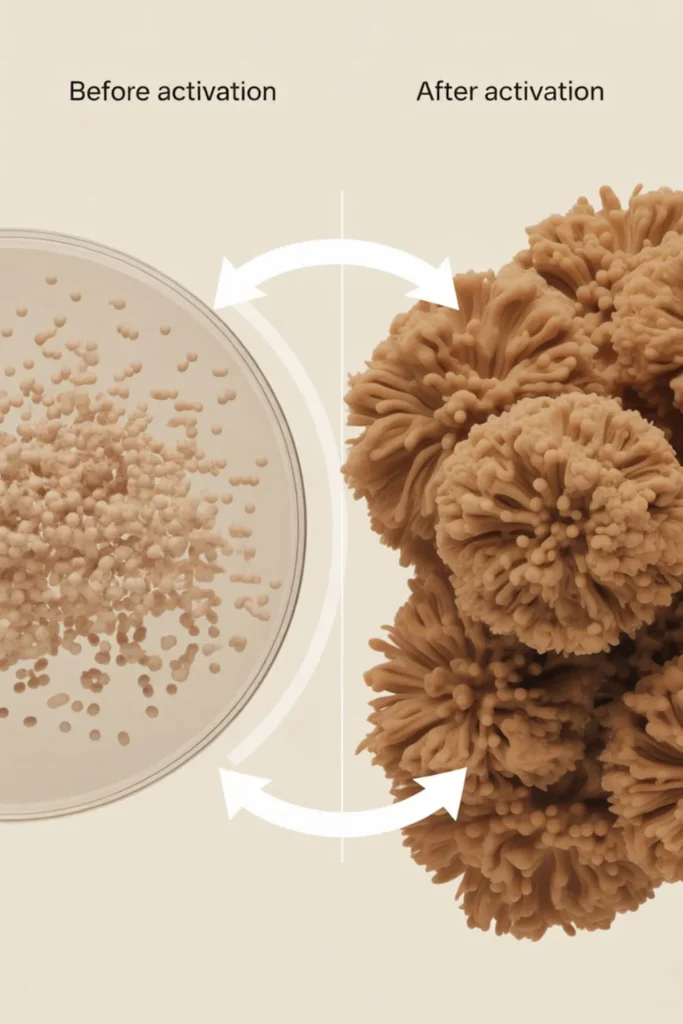
Brown blooming gel nails combine specialized watercolour gel polish with brown colour palettes to create organic, diffused patterns that mimic ink spreading through water. The blooming effect occurs when thin, fluid blooming gel is applied over uncured gel polish bases, causing pigments to spread and create soft, feathered edges rather than solid colour blocks.
Brown tones dominate 2026 nail trends because they offer sophisticated alternatives to stark blacks or bold colours. Chocolate brown, coffee shades, caramel hues, and taupe tones create elegant neutral manicures that complement every outfit while maintaining visual interest through watercolour techniques. These earthy brown palettes feel grounded, natural, and luxurious perfect for professional environments and special occasions alike.
The blooming gel technique transforms simple brown nail polish into artistic masterpieces through controlled diffusion. Unlike traditional nail art that requires steady hands for detailed painting, blooming gel creates beautiful patterns through product chemistry rather than manual precision. This accessibility makes complex-looking watercolour nail art achievable for beginners while offering advanced artists endless creative possibilities.
Brown blooming gel nails specifically appeal because brown pigments create depth and dimension impossible with lighter colours. Dark chocolate bases with lighter caramel blooms produce stunning contrast, while multiple brown shades layered together create sophisticated monochromatic designs. The organic nature of blooming patterns mirrors natural elements like wood grain, stone marbling, and coffee swirls making brown tones feel intentionally connected to earth aesthetics.
Social media platforms, particularly Instagram and TikTok, have exploded with Brown Blooming Gel Nails tutorials throughout 2025-2026. Nail artists showcase how brown watercolour effects photograph beautifully, create unique patterns every time, and suit diverse nail lengths and shapes. This viral visibility combined with brown’s versatility explains why brown blooming gel nails continue trending upward as we move through 2026.
See More About :Nails 2025: Ultimate Guide to Trending Designs, Colors & Care Tips
How Does Brown Blooming Gel Nails Technology Actually Work?
Blooming gel contains specially formulated low-viscosity resins that remain fluid longer than standard gel polish. When applied over uncured base gel colours, the thin blooming gel doesn’t immediately set but instead spreads across the tacky surface, carrying pigments outward in organic patterns controlled by surface tension and pigment density.
The chemical interaction depends on the base gel’s cure state and tackiness level. Uncured gel polish maintains a slightly sticky inhibition layer that allows blooming gel to glide and disperse rather than sitting as a separate layer. This tackiness acts like wet paper for watercolour painting the blooming gel pigments diffuse into it, creating soft edges and gradient transitions.
Brown blooming gels work particularly well because brown pigments contain complex colour molecules that diffuse at varying rates. Chocolate browns might contain red, yellow, and black pigments that separate slightly during blooming, creating subtle colour variations within the spread. This pigment separation adds depth impossible with single-pigment colours, making brown blooming effects appear more dimensional.
Temperature significantly affects blooming gel performance. Warmer environments cause faster, more aggressive spreading, while cooler temperatures slow diffusion and create tighter patterns. Professional nail technicians often adjust room temperature or use warming lamps strategically to control bloom intensity when working with brown shades that need precise pattern placement.
The curing process locks patterns permanently once you’re satisfied with the bloom effect. UV or LED lamps polymerize the gel formula, hardening the diffused pigments in their spread positions. This immediate setting allows you to create multiple blooming layers without previous layers reactivating essential for complex brown watercolour designs with dimensional depth.
Which Products Do You Need for Perfect Brown Blooming Gel Nails?
Specialized blooming gel in brown colour families forms your essential foundation. Brands like Beetles, Makartt, Modelones, and Born Pretty offer dedicated blooming gel lines with chocolate, coffee, caramel, and taupe shades formulated specifically for watercolour effects. These products contain the precise viscosity and pigment suspension needed for controlled spreading.
Base gel colours provide the canvas for blooming effects. Nude gel polishes, cream shades, white bases, or contrasting brown tones all work depending on desired effects. For brown blooming gel nails, many artists use lighter nude bases with darker chocolate blooms, or layer multiple brown shades over each other for monochromatic depth.
Quality gel base coats and no-wipe top coats complete your essential product lineup. Base coats protect natural nails and ensure even gel polish application, while no-wipe top coats eliminate the tacky inhibition layer after final curing, leaving perfectly smooth, glossy finishes. Choose professional-grade products that cure properly under your specific lamp type (UV or LED).
Thin detail brushes or dotting tools help place Brown Blooming Gel Nails precisely where you want diffusion to occur. Unlike regular gel polish application, blooming gel requires targeted placement in small amounts. Too much product creates overspreading and muddy colours. Fine brushes give you control over bloom placement and pattern direction.
UV or LED curing lamps with appropriate wattage ensure proper polymerization. LED lamps (48-80 watts) cure most gel polishes in 30-60 seconds, while traditional UV lamps require 2-3 minutes. Verify your blooming gel products match your lamp type. Some formulas cure better under specific light wavelengths, affecting final colour vibrancy and pattern clarity.
What Is the Step-by-Step Process for Creating Brown Blooming Gel Nails?
Nail preparation determines success before any gel application. Push back cuticles, gently buff nail surfaces to remove shine, clean with alcohol or gel cleanser to eliminate oils, and apply dehydrator or pH balancer for optimal adhesion. Proper prep prevents lifting and ensures Brown Blooming Gel Nails perform correctly over subsequent layers.
Apply a thin gel base coat and cure completely according to manufacturer instructions typically 30-60 seconds under LED lamps. The base coat creates a protective barrier between natural nails and colour gels while providing a smooth foundation. Avoid thick application that causes wrinkling or incomplete curing.
Base colour application comes next apply your chosen gel polish (often nude, cream, or light brown) in thin, even coats. One to two coats usually suffice depending on opacity. Critical step: Do NOT cure this layer yet. The uncured, tacky surface is essential for blooming gel to spread properly and create watercolour effects.
Blooming gel application requires precision and speed. Load a small amount of brown blooming gel onto a thin detail brush or dotting tool. Place tiny dots or lines of Brown Blooming Gel Nails onto your uncured base colour. Watch as the gel immediately begins spreading outward, creating organic patterns. Add more blooming gel in different areas if desired, working quickly before the base layer starts self-leveling.
Cure the nail once you’re satisfied with the bloom pattern typically 60 seconds under LED lamps. The curing process locks the watercolour effect permanently. You can now add additional blooming layers by applying another thin coat of base colour (without curing), then adding different Brown Blooming Gel Nails shades for dimensional, multi-toned effects.
Apply a no-wipe gel top coat as your final layer and cure thoroughly. The top coat seals everything, adds high-gloss shine, and protects nail art from chipping or dulling. Some artists apply two thin top coat layers for maximum durability, curing between each application for professional-quality finish.
Why Do Brown Shades Create Superior Brown Blooming Gel Nails Effects?
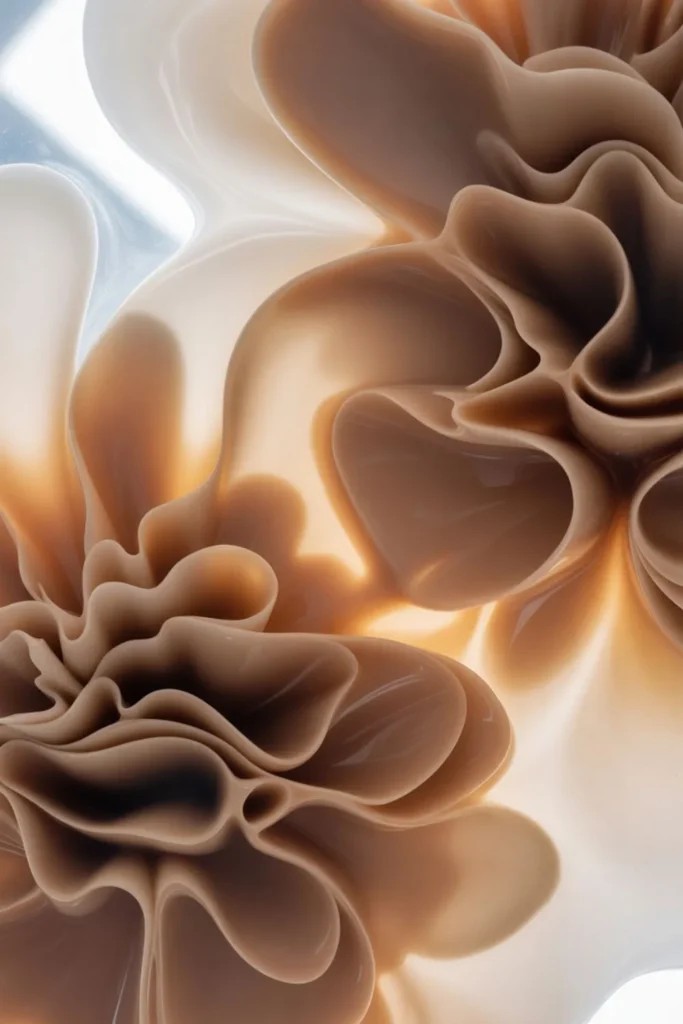
Brown pigments contain complex colour compositions that create natural depth during diffusion. Unlike single-pigment colours, browns typically blend red, yellow, black, and sometimes blue undertones. During the blooming process, these component pigments may separate slightly, creating subtle colour variations within the spread that add organic, natural-looking dimension.
The neutral nature of brown tones makes pattern imperfections appear intentional rather than erroneous. With bright colours, uneven spreading or unexpected diffusion can look like mistakes. Brown Blooming Gel Nails effects inherently suggest natural patterns like wood grain, stone marbling, or coffee swirls patterns where irregularity enhances rather than detracts from beauty.
Brown shades offer incredible tonal range within a single colour family, allowing sophisticated monochromatic designs. You can layer light taupe, medium mocha, dark chocolate, and deep espresso in a single manicure, creating dimensional watercolour art without clashing colours. This tonal layering produces gallery-quality results with cohesive, professional appearances.
Light reflection behaves differently with brown pigments compared to lighter or brighter colours. Browns absorb and scatter light in ways that emphasize texture and pattern depth. The blooming technique creates slight thickness variations as gel spreads, and brown tones highlight these subtle dimensional changes through natural shadowing and light play.
Brown blooming gel nails complement all skin tones universally. While some colours can clash with certain undertones, brown’s warmth and earthiness harmonize with every complexion. This universal flattery makes brown watercolour nails safe choices for clients with diverse skin tones, explaining their popularity in professional salon settings throughout 2026.
See More About :Short Nail Designs Winter That Instantly Make Your Hands Look Polished in 2025
What Are the Most Stunning Brown Blooming Gel Nails Design Ideas?
Coffee swirl manicures mimic latte art through layered Brown Blooming Gel Nails effects. Start with cream or beige bases, then add light caramel blooming gel followed by darker espresso tones. The layered diffusion creates patterns reminiscent of milk swirling through coffee elegant, organic, and incredibly popular for fall and winter 2026.
Chocolate marble nails use multiple brown shades to create stone-like patterns. Apply nude base colours, then strategically place dots of light brown, medium chocolate, and dark cocoa blooming gels in irregular patterns. The gels spread and interact, creating natural marbling that looks expensive and sophisticated on any nail length.
Nude watercolour abstracts feature subtle brown blooming over neutral bases for understated elegance. Use barely-there taupe or light mocha blooming gels on nude or beige bases, creating whisper-soft patterns perfect for professional environments, weddings, or minimalist aesthetics. These designs photograph beautifully while remaining workplace-appropriate.
Ombre blooming effects transition brown shades from light to dark across nails or individual nail surfaces. Apply gradient base colours from nude to chocolate, then add blooming gel in complementary tones that enhance the ombre transition. This technique creates dimensional depth impossible with standard gradient applications alone.
Tortoiseshell patterns leverage Brown Blooming Gel Nails natural resemblance to classic tortoiseshell accessories. Layer amber, caramel, chocolate, and black blooming gels over nude or gold bases in irregular patterns. The organic spreading mimics authentic tortoiseshell perfectly, creating timeless nail art that never goes out of style.
How Do You Control Bloom Intensity and Pattern Direction?
Product amount directly affects bloom spread less Brown Blooming Gel Nails creates tight, controlled patterns while more creates aggressive diffusion. Start with tiny amounts on your brush or dotting tool, adding more only if needed. You can always add additional blooming gel, but you cannot remove excess once it spreads across uncured base colours.
Placement strategy determines pattern direction and coverage. Placing blooming gel near nail centers creates radiating patterns, while edge placement produces directional flows toward free edges or cuticles. Strategic dot placement in irregular patterns mimics natural stone or watercolour paintings, while linear placement creates flowing, directional effects.
Timing control between base application and blooming gel placement affects spread speed. Applying blooming gel immediately to freshly applied base colours creates maximum spreading, while waiting 10-20 seconds allows slight self-leveling that slows diffusion. This timing adjustment gives you control over pattern tightness versus looseness.
Tool selection impacts pattern characteristics significantly. Thin detail brushes create delicate, wispy patterns, while larger dotting tools produce bolder, more prominent blooms. Some artists use toothpicks for ultra-fine placement or even fan brushes for sweeping, atmospheric effects across entire nail surfaces.
Layering multiple blooms creates complex, dimensional patterns unachievable in single applications. After curing your first blooming layer, apply another thin coat of base colour without curing, then add different brown blooming gel shades in new positions. This builds depth through transparent layering, creating sophisticated multi-dimensional watercolour art.
What Common Mistakes Ruin Brown Blooming Gel Nails Manicures?
Curing base colours before applying blooming gel eliminates the tacky surface essential for spreading. The uncured inhibition layer allows blooming gel to glide and diffuse to cure that layer, and blooming gel simply sits on top as a separate colour without spreading. This mistake creates flat, non-bloomed results that miss the entire technique’s purpose.
Using too much blooming gel causes overspreading that turns patterns muddy and unclear. Excess product spreads aggressively, filling entire nail surfaces with solid colour rather than creating delicate, organic patterns. The blooming effect requires restraint: small amounts create beautiful diffusion, while large amounts create mess.
Applying blooming gel to fully dry base colours prevents spreading entirely. If your base coat has self-leveled completely or started curing from ambient light exposure, the surface loses tackiness needed for blooming gel diffusion. Work quickly after base application, or apply fresh thin coats of base colour to restore tacky surfaces.
Mixing incompatible gel formulas causes adhesion failures or unexpected reactions. Not all gel polishes work as effective bases for blooming gels; some cure too quickly, others lack proper tackiness. Similarly, blooming gels from different brands may have varying viscosities that don’t spread consistently. Stick with proven product combinations or test compatibility before full manicure application.
Skipping proper nail prep leads to lifting, peeling, and premature manicure failure. Even perfect blooming gel technique fails if underlying gel layers don’t adhere properly to natural nails. Always complete thorough prep including cuticle work, buffing, cleansing, and dehydrator application before starting gel application processes.
Which Brown colour Combinations Create the Most Impact?
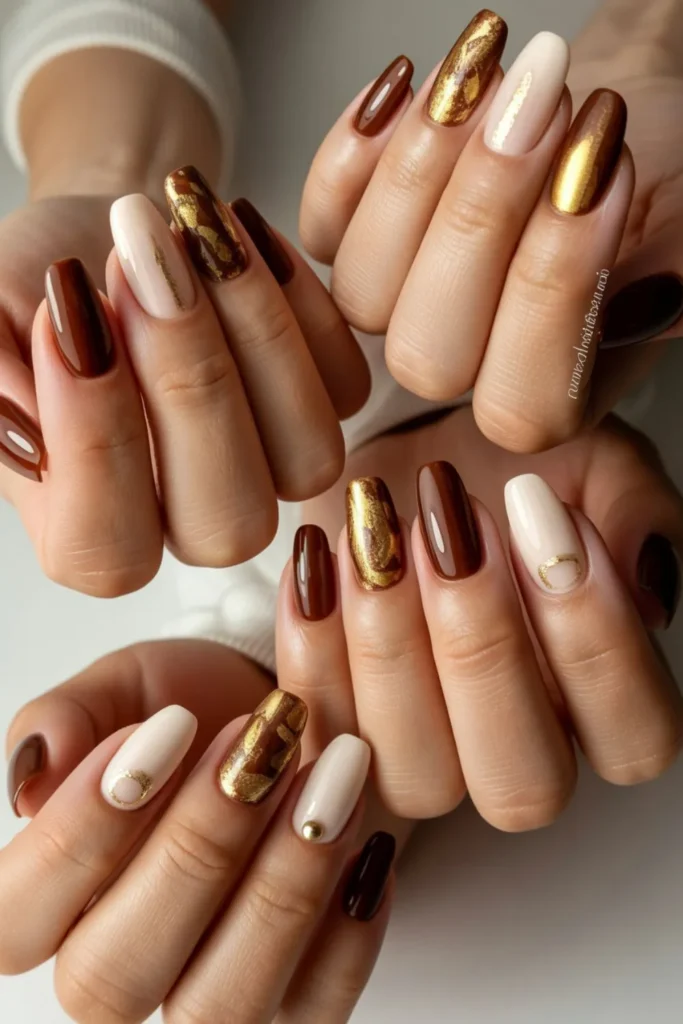
Chocolate and gold combinations bring luxurious warmth to Brown Blooming Gel Nails designs. Start with gold or champagne bases, then add deep chocolate brown blooming gel for rich contrast. The metallic bases catch light beautifully while brown blooms create organic patterns perfect for evening events, holidays, or when you want statement nails.
Nude and mocha pairings offer sophisticated, professional elegance. Use pale nude or beige bases with medium mocha blooming gel for subtle watercolour effects that suit workplace environments. These neutral combinations photograph beautifully and complement every outfit without overwhelming your overall aesthetic.
Caramel and espresso contrasts create dramatic yet wearable brown manicures. Light caramel bases provide warm foundations for dark espresso blooming gel, producing high-contrast patterns that remain within brown’s cohesive colour family. This combination works especially well for fall and winter 2026 when deeper colours trend.
Taupe and burgundy blends add subtle red undertones to Brown Blooming Gel Nails. Cool taupe bases paired with burgundy-brown blooming gels create dimensional effects that appear different in various lighting, sometimes more brown, sometimes more wine-coloured. This chameleon quality adds interest without bold colour commitments.
Multi-brown layering using three to four brown shades creates sophisticated monochromatic depth. Start with lightest brown bases, add medium brown blooming gel, cure, then add another uncured base layer with darker brown blooms, and finish with deepest chocolate accents. This layered approach produces gallery-worthy watercolour art with incredible dimensional richness.
See More About :Short Square Nails Ideas: 2026’s Most Chic Nail Designs
How Long Do Brown Blooming Gel Manicures Last?
Gel manicures with blooming effects typically last 2-3 weeks with proper application and care identical to standard gel polish longevity. The blooming technique doesn’t compromise durability since blooming gel cures into the same hard, protective layer as regular gel polish. Your brown blooming gel nails should withstand daily activities without chipping or fading.
Proper curing determines actual wear time significantly. Insufficient curing leaves gel layers soft and prone to premature wear, while proper UV or LED exposure creates fully hardened surfaces. Always cure according to manufacturer specifications for your specific lamp wattage and blooming gel brand to ensure maximum durability.
Top coat quality impacts longevity as much as underlying gel layers. Professional-grade no-wipe top coats seal blooming designs effectively, preventing tip wear and maintaining high-gloss shine throughout your manicure lifespan. Cheap top coats may yellow, dull, or chip faster, compromising even perfectly applied Brown Blooming Gel Nails art.
Daily activities and hand care habits affect wear duration. Frequent exposure to harsh chemicals, excessive water immersion without gloves, or using nails as tools accelerates wear regardless of gel quality. Protect your Brown Blooming Gel Nails manicure with gloves during cleaning, apply cuticle oil daily for flexibility, and avoid picking at edges to maximize longevity.
Natural nail growth becomes visible after 2-3 weeks, prompting most people to refresh manicures even if gel polish remains intact. The gap at cuticles as nails grow forward eventually looks unkempt, making removal and reapplication desirable. Your Brown Blooming Gel Nails designs themselves typically remain beautiful until you choose to remove them for fresh applications.
What Tools and Techniques Help Beginners Succeed?
Pre-made blooming gel sets eliminate guesswork by providing proven colour combinations and appropriate viscosities. Brands like Beetles and Modelones offer beginner-friendly brown blooming gel kits with coordinating base colours and blooming shades specifically formulated to work together. These sets remove compatibility concerns that often frustrate newcomers.
Practice on nail wheels or nail tips before attempting full manicures. These inexpensive tools let you experiment with blooming gel placement, timing, and pattern creation without wasting product or risking ruined manicures. Practice different dot sizes, placement patterns, and brown shade combinations until you develop confidence and consistent results.
Video tutorials from reputable nail artists provide visual guidance text instructions cannot match. Watching blooming gel spread in real-time helps you understand proper product consistency, optimal placement timing, and realistic expectations for pattern formation. Platforms like YouTube and Instagram offer countless Brown Blooming Gel Nails tutorials specifically for beginners in 2026.
Start with simple designs rather than complex multi-layered effects. Begin with single-colour blooms on neutral bases, one brown shade on nude nails teaches fundamental technique without overwhelming you. Once comfortable, gradually add complexity through additional colours, layered applications, or accent nail designs that push your developing skills.
Thin application of all gel layers prevents common beginner mistakes. Thick base coats, colour coats, or blooming gel applications cause uneven curing, wrinkling, or unexpected spreading patterns. Multiple thin layers always outperform single thick layers in gel nail application, making this principle essential for successful brown blooming gel manicures.
How Do You Remove Brown Blooming Gel Nails Safely?
Acetone soaking remains the gold standard for safe gel polish removal. Saturate cotton pads with pure acetone (not nail polish remover), place on nails, then wrap fingertips in aluminum foil. Wait 10-15 minutes for gel layers to soften, then gently push dissolved gel off with wooden cuticle pushers never scrape or force removal.
E-file removal offers faster professional alternatives when performed correctly. Experienced technicians use electric nail files with appropriate drill bits to carefully file away gel layers without touching natural nails. This method requires training and practice to avoid nail damage, making it better suited for professionals than at-home beginners.
Gel polish remover wraps provide convenient alternatives to traditional foil methods. These pre-soaked, self-adhesive wraps contain acetone and eliminate messy foil wrapping. Simply apply to each nail, wait the specified time (usually 10-15 minutes), then remove dissolved gel. These work identically to foil methods with improved convenience.
Never peel or pick at gel polish, even when edges start lifting. Forced removal tears away layers of natural nail along with gel, causing significant damage, weakness, and pain. If you cannot properly remove gel with acetone soaking, visit professional nail technicians rather than risking nail plate damage through improper removal.
Post-removal nail care helps natural nails recover from gel wear. After removal, gently buff nail surfaces to smooth any remaining residue, wash hands thoroughly, then apply cuticle oil and hand cream generously. Consider giving nails a break between gel applications or use strengthening treatments to maintain nail health during regular gel manicure cycles.
What Are Professional Tips for Salon-Quality Brown Blooming Gel Nails Results?
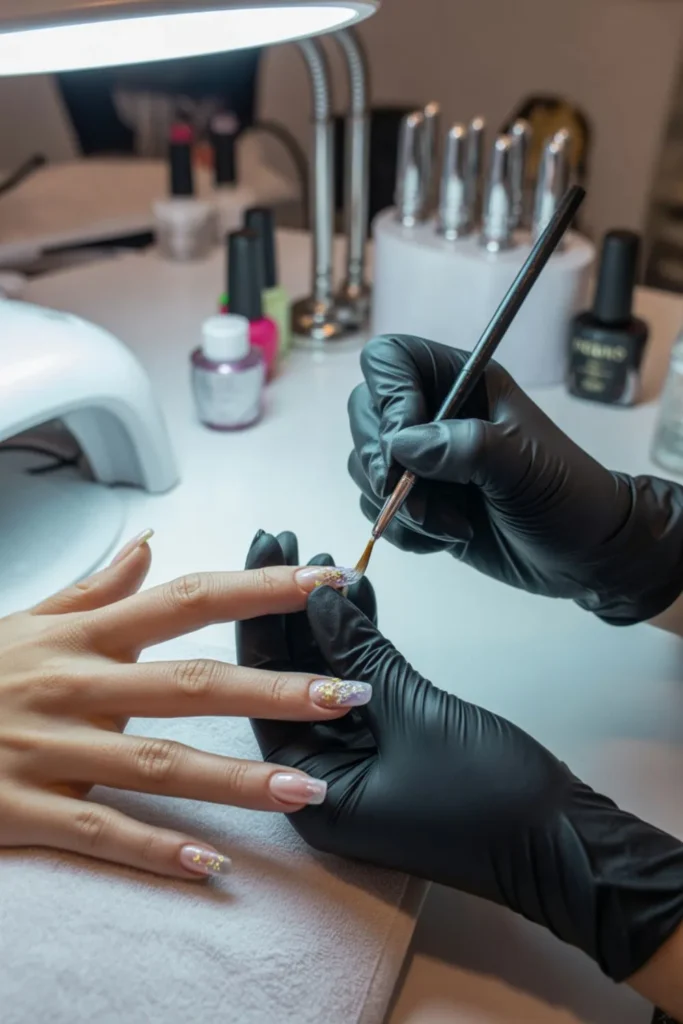
Room temperature control affects blooming gel spreading significantly. Work in environments around 70-75°F (21-24°C) for optimal results. Warmer temperatures cause aggressive spreading, while cooler environments slow diffusion. Professional nail technicians sometimes use desk lamps or heating pads nearby to maintain consistent temperatures during winter months.
Strategic lighting helps you see blooming patterns as they develop. Position your work area under bright, neutral lighting that accurately shows colour development and pattern formation. Poor lighting causes misjudgments about bloom coverage and colour intensity, leading to overworking or underdeveloped designs.
Cure in segments when creating complex multi-nail designs. Rather than applying blooming gel to all ten fingers before curing, work on 2-3 nails at a time. This prevents rushed applications and allows careful observation of each bloom’s development before committing to curing. Quality over speed produces consistently better results.
Document your formulas and techniques when you create successful Brown Blooming Gel Nails designs. Note specific product brands, colour combinations, application amounts, and timing that produced patterns you loved. This documentation lets you recreate successful looks and learn from less successful attempts through comparison.
Invest in quality products rather than budget alternatives when pursuing professional results. Cheap blooming gels often contain inconsistent pigment loads or inappropriate viscosities that make controlled spreading impossible. Professional-grade products cost more initially but deliver reliable, beautiful results that justify the investment through consistent performance.
See More About :Ombre Nails: 30 Bold & Beautiful Styles No Mistakes
Which Nail Lengths and Shapes Best Showcase Brown Blooming Gel Nails Designs?
Medium to long nails provide optimal canvas space for blooming gel art. Lengths from fingertip-extending to dramatic extensions allow bloom patterns room to develop without crowding. Brown watercolour effects particularly shine on larger surfaces where organic patterns can unfold naturally without feeling cramped or truncated.
Almond and oval shapes complement blooming gel designs through elegant, feminine silhouettes. These tapered shapes draw eyes along nail lengths, emphasizing bloom flow and pattern direction. The curves also photograph beautifully, making almond and oval brown blooming gel nails particularly popular on social media throughout 2026.
Coffin and ballerina shapes offer modern, on-trend canvases for dramatic brown blooming effects. The flat tips provide distinct areas for concentrated bloom placement, while tapered sides create elegant proportions. These shapes work especially well for chocolate marble designs or multi-toned brown layering that benefits from defined surface areas.
Square and squoval shapes suit geometric blooming patterns and controlled design placements. The clean lines complement intentional bloom positioning, particularly for minimalist brown watercolour art or accent nail designs. These shapes maintain professional appearances while showcasing artistic blooming gel techniques.
Short nails can absolutely showcase Brown Blooming Gel Nails designs, though with adaptations. Focus on single blooms per nail rather than complex patterns, use lighter brown shades that don’t overwhelm compact surfaces, or concentrate blooming effects on accent nails only. Nude bases with subtle taupe blooms work particularly well on shorter nail lengths.
Frequently Asked Questions
Can you use regular gel polish as Brown Blooming Gel Nails?
No, regular gel polish lacks the specific low-viscosity formula needed for blooming effects. Standard gels are too thick to spread and diffuse properly, remaining as solid colours instead of creating watercolour patterns. You must use specialized blooming gel products formulated specifically for this technique to achieve proper spreading and organic pattern formation.
Why does my Brown Blooming Gel Nails spread too much or not enough?
Product amount and base tackiness cause most spreading issues. Too much blooming gel overspreads and turns muddy, while too little creates minimal visible patterns. If base colours have cured or dried too much, blooming gel won’t spread at all. Apply tiny amounts to freshly applied, uncured base coats for optimal controlled spreading.
How many layers can you add to Brown Blooming Gel Nails designs?
You can layer blooming effects indefinitely by curing between layers, applying fresh uncured base colours, then adding new blooming gel applications. Most designs use 2-3 blooming layers for dimensional depth without excessive thickness. Each layer must cure fully before adding subsequent layers to prevent reactivation and pattern disruption.
Do brown blooming gel nails work on natural nails or only extensions?
Brown blooming gel works identically on natural nails, gel extensions, acrylic nails, or press-on nails any properly prepared surface accepts gel application. Natural nails simply need proper prep including buffing, dehydrating, and base coat application. The blooming technique depends on gel chemistry, not nail length or type.
Can you mix different Brown Blooming Gel Nails brands together?
Mixing brands can work but risks compatibility issues with viscosity differences and curing requirements. Different formulas may spread at varying rates or require different UV/LED exposure times, creating unpredictable results. For consistent success, stick with single-brand blooming gel systems or thoroughly test mixed-brand compatibility on practice nails first.
How do you fix Brown Blooming Gel Nails mistakes before curing?
If patterns spread unsatisfactorily before curing, you can sometimes adjust by adding more blooming gel in sparse areas or using clean brushes to gently redistribute wet product. However, major mistakes usually require removing the entire uncured layer with gel cleanser, then reapplying base colours and blooming gel fresh. Work quickly and decisively since uncured gel won’t wait indefinitely.
Conclusion
Brown blooming gel nails deliver sophisticated watercolour nail art that combines technical precision with organic beauty in ways few other techniques achieve in 2026. The blooming gel process transforms simple brown shades into dimensional masterpieces through controlled diffusion, creating unique patterns impossible to replicate exactly every manicure becomes a one-of-a-kind artistic expression.
Mastering brown blooming gel nails requires understanding product chemistry, perfecting timing, and developing intuition for bloom control but the learning curve rewards you with gallery-worthy results achievable at home. Start with quality specialized blooming gels, practice on nail wheels before committing to full manicures, and experiment with the stunning brown colour combinations that make this technique so timelessly elegant.
Your journey into blooming gel artistry opens creative possibilities limited only by imagination, and Brown’s sophisticated versatility ensures your watercolour nail designs remain relevant, beautiful, and admired throughout 2026 and beyond.


