
Acrylic Nails Removal: 7 Expert-Approved Steps for Safe At-Home Removal

The decision to wear a full set of acrylic nails is a commitment to long-lasting wear and a fierce aesthetic. But when it’s time for removal, the process often becomes a source of dread. The temptation to simply peel, clip, or force the material off is incredibly strong, yet this is the single most destructive mistake you can make for your nail health. Aggressive acrylic nails removal compromises the natural nail beds, leading to severe thinning, brittleness, and prolonged nail damage that can take months to fully recover from.
This frustration arises because most guides focus only on the materials and not the crucial acrylic nails removal process that minimizes the risk of harm.
This comprehensive guide is your definitive solution. We will provide you with easy-to-follow instructions on exactly how to take off acrylic nails at home using only the safest, most recommended at-home acrylic nails removal techniques. You will master the two-step method for the acetone soak, learn proper preparation to protect your skin, and receive the essential post-removal care secrets to ensure your natural nails remain strong, healthy, and ready for your next DIY manicure.
Why Is a acrylic nails removal Process Crucial for Nail Health?
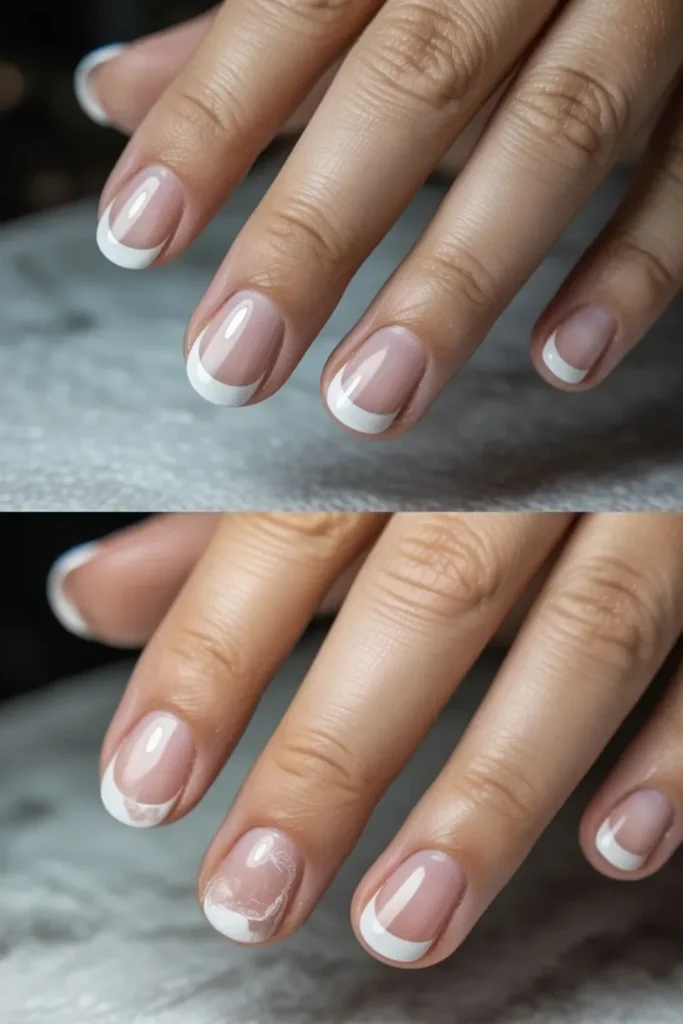
The integrity of your natural nails depends entirely on the gentleness of the acrylic nails removal. Any aggressive action, such as prying or forcing the acrylic, creates micro-tears and literal peeling of the nail plate layers. Your nail beds are delicate and composed of multiple layers of keratin, and when these layers are ripped away prematurely, the remaining nail surface becomes instantly thin, weak, and highly sensitive to external irritants. This compromises the nail’s structural integrity and often requires weeks of intensive nail strengthening treatment to correct.
Choosing a controlled, non-damaging approach specifically the acetone soak method is the only way to dissolve the bond between the acrylic and your natural nails without mechanical force. This acrylic nails removal process allows the product to naturally lift away, leaving the underlying nail plate intact. This commitment to a gentle at-home acrylic nails removal technique is the foundation of a proactive nail care routine, ensuring your manicures, regardless of their long-lasting wear potential, do not permanently undermine your nail health.
See More About : Coffee Chrome Nails: 5 Luxe Tips for a Rich Mocha Shine
The Dangers of Forcing Off Acrylic Nails Removal
The moment you feel the edge of an acrylic nail starting to lift, the urge to pull it off must be resisted. Forcing the acrylic nails removal is synonymous with significant nail damage. When an acrylic nail is forcibly peeled, it takes with it the top, healthy layer of your natural nails. This is why the nail feels immediately weak and tender after a bad acrylic nails removal job.
Beyond the temporary pain and extreme sensitivity, this action also makes your nail beds more susceptible to fungal or bacterial infections. The compromised surface is a perfect entry point for moisture and pathogens, turning a simple beauty chore into a serious nail health concern. Utilizing the methodical, minimal damage method of the acetone soak is the only way to avoid this serious consequence and maintain the strength of your natural nails.
Why Pure Acetone is the Only Effective and Safe Solvent
When attempting to figure out how to take off acrylic nails at home, you must understand the chemistry involved. Pure acetone is the only solvent strong enough to break down the chemical bonds of the acrylic powder and liquid monomer mix that forms the acrylic nails. While you can find non-acetone removers, these are only suitable for removing standard polish or a soft gel polish removal, and they will be completely ineffective against the hardened acrylic material, leading to frustration and wasted time.
It is critical to note that while pure acetone is effective, it is also highly dehydrating. Therefore, the acrylic nails removal must be executed quickly and followed immediately by intensive moisturization. To mitigate the drying effects, always work in a well-ventilated space and never attempt to heat the acetone in an external container, as this poses a serious safety risk. The strength of pure acetone is what makes the at-home acrylic nails removal possible; the safety is what makes it a responsible choice.
Proper Preparation: Setting Up Your At-Home acrylic nails removal Studio for Success
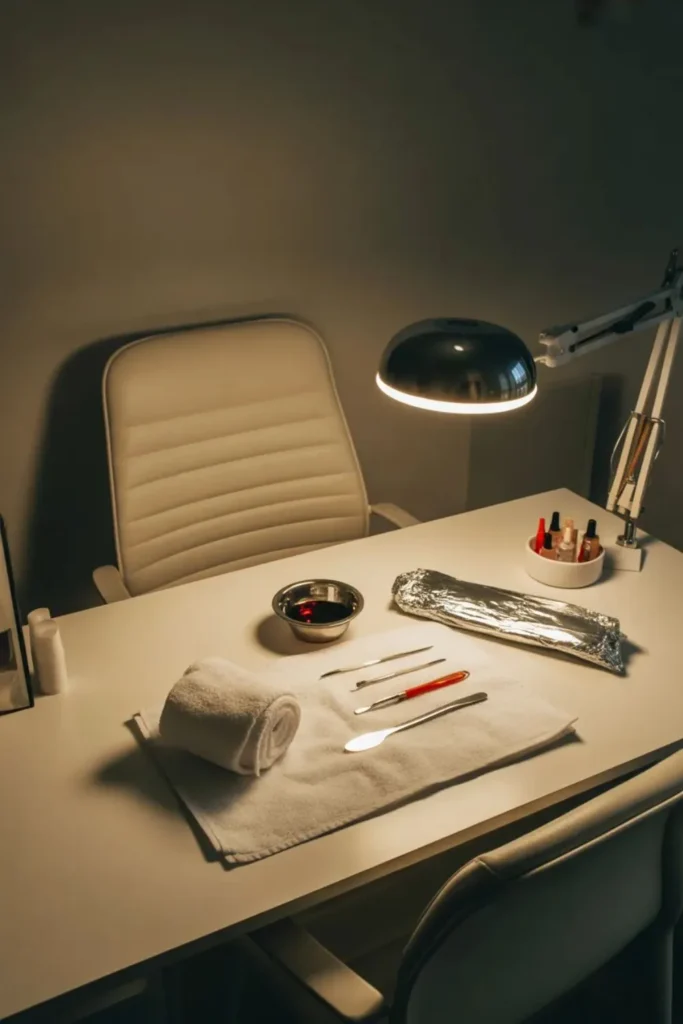
A smooth and efficient acrylic nails removal relies entirely on proper preparation. This process is a two-step method that prioritizes protecting your skin from the drying agent and preparing the surface of the acrylic nails for the acetone soak. A dedicated, well-ventilated space is essential, as the fumes from pure acetone can be overwhelming in confined areas. Gather all your nail art tools including your nail files, cotton balls, aluminum foil wraps, and petroleum jelly before you begin, as the process must be continuous once the acetone is introduced.
This initial preparation dramatically cuts down the soaking time needed and is crucial for achieving minimal damage. By meticulously performing the first step of filing down the top layer, you allow the acetone to penetrate the porous acrylic material more easily, speeding up the entire acrylic nails removal process and minimizing the overall exposure to the dehydrating solvent.
See More About : Metallic Chrome Nails: 7 Power Tips for a Flawless Mirror Finish
How to Protect Your Skin with a Protective Barrier
As mentioned, pure acetone is extremely drying and will irritate the delicate skin around your fingernails. Before the acetone soak begins, you must apply a protective barrier to safeguard your skin. The best, most accessible product for this purpose is simple petroleum jelly.
Generously coat the entire fingertip, including the cuticle area, the sides of the nail, and all the skin that will be exposed to the acetone. Do not apply it to the acrylic nail itself, as the jelly will prevent the acetone from dissolving the acrylic material. This simple but critical step of applying the protective barrier helps to lock in your natural moisture, significantly reducing the chapping and white residue often associated with at-home acrylic nails removal using acetone.
Why Filing Down the Top Coat is the Crucial First Step
The very first action in how to take off acrylic nails at home is to completely filing down the top layer of the acrylic nails removal. This step is non-negotiable and dramatically reduces the time needed for the acetone soak. Acrylics are finished with a thick, non-porous top coat (often a UV gel) that seals and protects the material underneath. If this layer is not removed, the acetone will be unable to penetrate and dissolve the acrylic beneath.
Use a coarse, 80 to 100-grit nail file for this step. Your filing technique should focus on removing all shine and etching the surface until the acrylic looks completely matte and powdery. You must be careful to avoid filing your natural nails underneath, so stop immediately once you see the color of the acrylic material begin to lighten or thin dramatically. This is a deliberate, meticulous process that ensures the pure acetone can do its job efficiently, leading to minimal damage.
What is the Best Acetone Soak Method for Minimal Damage?
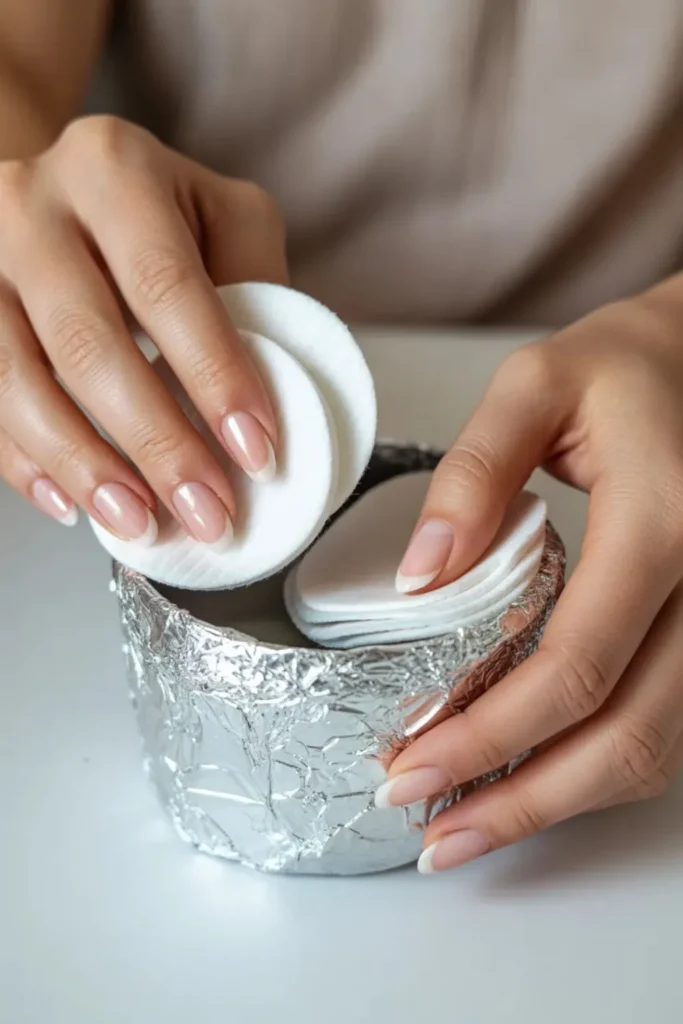
There are two primary methods for the acetone soak when performing acrylic nails removal, and both are highly effective when executed correctly. The goal is to maximize the contact time between the pure acetone and the acrylic while minimizing the exposure of the skin and the rest of your environment to the solvent. Both the foil wrap method and the bowl soak method are superior to simple clipping or forcing, as they ensure a acrylic nails removal process that leads to minimal damage to the underlying natural nails.
Your choice between the two will depend on your preference for comfort and speed. The foil wrap method, which employs aluminum foil wraps, is often considered the easy-to-wear and less messy option, while the bowl soak method, particularly when using warm water, can slightly speed up the overall dissolution process due to the effect of gentle heat on the chemical reaction.
See More About : Short Fall Nail Ideas: 9 Stunning Looks for a Chic & Practical Autumn Manicure
The Foil Wrap Method: Mastering Aluminum Foil Wraps
The foil wrap method is the preferred two-step method for many professional nail technicians due to its efficiency and ability to localize the acetone. After performing the filing down step and applying petroleum jelly for a protective barrier, proceed as follows:
- Saturate: Take a small piece of cotton balls or a section of a cotton pad, ensuring it is slightly larger than your nail. Saturate it completely in pure acetone.
- Placement: Place the saturated cotton directly onto the entire surface of the acrylic nail.
- Wrap: Tear a small strip of aluminum foil wraps (about 3 inches long). Tightly wrap the foil around your fingertip, ensuring the cotton is held firmly against the nail. The foil helps to contain the heat from your body, which slightly accelerates the chemical reaction.
- Wait and Scrape: Let the wraps sit for 15-25 minutes. Unwrap one finger to check the progress. The acrylic should look gelatinous and soft. Use a cuticle pusher to gently scrape off the dissolved material. If it resists, re-wrap the nail and wait another 5-10 minutes.
The Bowl Soak Method: Using Warm Water for Faster Results
The bowl soak method is the fastest way to achieve acrylic nails removal, but it requires a bit more care regarding skin protection and ventilation. This technique utilizes warm water to safely and gently warm the acetone, dramatically decreasing the overall acetone soak time.
- Setup: Fill a large bowl with warm water (comfortably warm, not hot). Pour pure acetone into a smaller glass or ceramic bowl that can safely float inside the larger bowl of warm water. Crucially, never heat the acetone directly.
- Soak: After applying your protective barrier (petroleum jelly), submerge your fingertips into the acetone for 10-15 minutes. The warmth from the surrounding water will gently warm the acetone, allowing it to penetrate the acrylic faster than the foil method.
- Scrape: As with the foil method, gently remove the softened acrylic using a metal or wooden cuticle pusher. If a spot resists, soak the finger for another 5 minutes. Immediately rinse your hands once all the acrylic material is removed.
How Do You Complete the Post-Removal Care for Your Natural Nails?
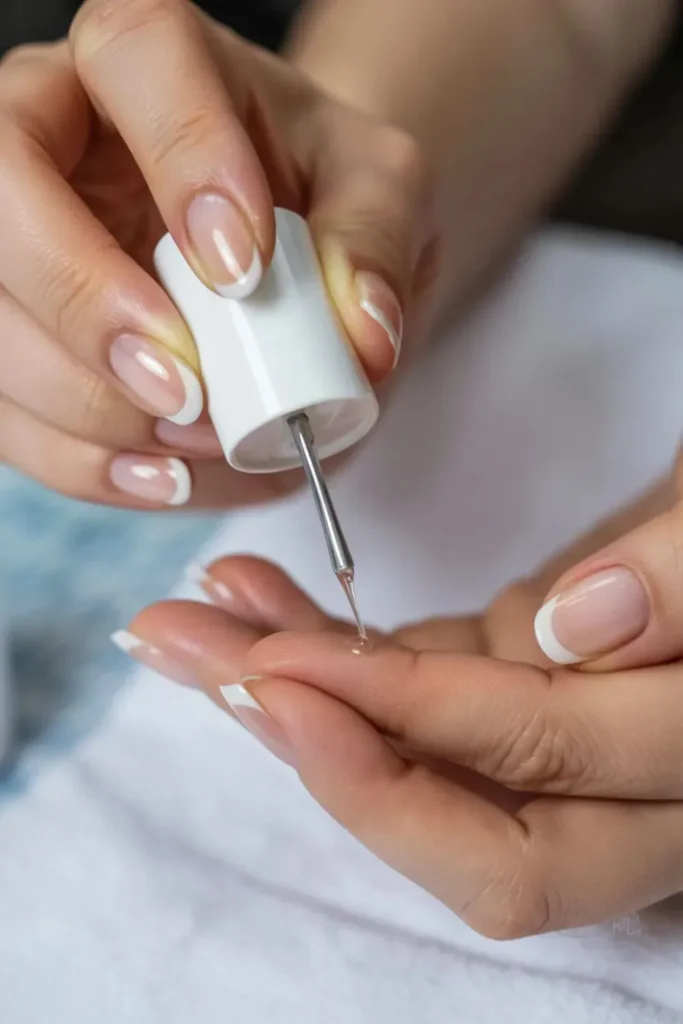
Once the acrylic nails removal is complete and your hands are rinsed, your natural nails will look dull, feel weak, and may have a chalky white film from the acetone’s dehydrating effects. This is a critical moment for your nail health, and ignoring the post-removal care will result in brittle, breakage-prone nails. The final stage of your at-home acrylic nails removal is focused entirely on restoring the nail plate’s structural integrity and reintroducing essential moisture to the nail beds and surrounding skin.
Your post-removal care should be a two-step method: first, a direct nail strengthening treatment to provide temporary support to the weakened nail plate, and second, an intensive regimen of rehydration. Consistency is key here. Treating your nails with kindness and regular application of oil and strengthener will drastically reduce the recovery time and ensure your natural nails return to their full strength quickly.
See More About : Nail Inspo Short: 15 Stunning Ideas for an Elegant & Sophisticated 2026 Style
Rebuilding Structural Integrity with Nail Strengthening Treatment
Because your natural nails are highly susceptible to damage immediately after the acrylic nails removal, the first layer you apply should be a formal nail strengthening treatment. This product is usually a clear polish formulated with proteins like keratin or strengthening polymers designed to temporarily bond the weakened layers of the nail plate together. This provides crucial, immediate structural integrity.
Apply two thin coats and ensure you continue to use this treatment as your base coat for the next few weeks. This specialized treatment acts like a temporary splint, preventing the nails from bending, breaking, and peeling as they recover from the stress of the at-home acrylic nails removal and the dehydrating effects of the pure acetone. This protective step is your most powerful tool against further nail damage.
Why Cuticle Oil is Essential for Hydrating Nail Beds
Immediately after applying the nail strengthening treatment, you must aggressively rehydrate the skin and nail beds with cuticle oil. The application of pure acetone strips all natural oils from the skin and nails, causing them to dry out. A high-quality cuticle oil ideally one containing jojoba oil or Vitamin E will rapidly absorb into the skin and nail plate, restoring flexibility and minimizing the risk of brittleness.
Massage the cuticle oil deeply into the cuticle and the entire surface of the nail. You should make this part of your daily routine for the next week, applying it several times a day. Keeping the nail beds and surrounding tissue well-hydrated is crucial for the long-term nail health and is the final, essential step in ensuring your acrylic nails removal results in minimal damage and a strong base for future DIY manicures.
Frequently Asked Questions
How long should I expect the entire acrylic nails removal process to take?
The entire at-home acrylic nails removal process, including proper preparation, soaking, and initial post-removal care, typically takes between 45 minutes to 1 hour 30 minutes. The time is largely determined by the thickness of the acrylic and the effectiveness of your filing down technique, which determines how quickly the acetone soak can dissolve the material.
Can I use a non-acetone remover for acrylic nails removal if I am worried about nail damage?
No, non-acetone removers are generally only effective for standard polish or soft gel polishacrylic nails removal and will not dissolve the hard, chemical structure of acrylic nails. Attempting to use a non-acetone remover will waste time and may tempt you to use force, which causes more nail damage than a fast, controlled acetone soak using pure acetone and a protective barrier.
What should I do if my natural nails are extremely painful and weak after the acrylic nails removal process?
If your natural nails are painful or extremely weak, immediately stop all acrylic nails removal and any further filing. Apply a thick layer of a professional nail strengthening treatment and then aggressively use cuticle oil several times daily. Wear protective gloves for all wet chores and give your nails at least two weeks of rest from polish to allow the nail beds to fully recover their structural integrity.
Conclusion
Successfully learning how to take off acrylic nails at home is about prioritizing nail health and executing a controlled, acrylic nails removal process. We’ve covered the necessity of proper preparation, the efficiency of the two-step method using pure acetone and aluminum foil wraps, and the essential steps of post-removal care. By resisting the urge to force the material off and instead committing to the methodical acetone soak and gentle filing down technique, you ensure that the integrity of your natural nails is maintained, leading to minimal damage.
Your commitment to following these detailed expert knowledge instructions is the key to maintaining a strong, healthy foundation for all future manicures. Take action now: Gather your nail art tools, apply your protective barrier of petroleum jelly, and commit to a full nail strengthening treatment immediately after. Respect the delicate nature of your nail beds, and your reward will be consistently healthy, strong natural nails that are ready for their next design without the risk of costly and painful nail damage.


